Overview
Print-ready artwork across every format — designed for production, built for clients.
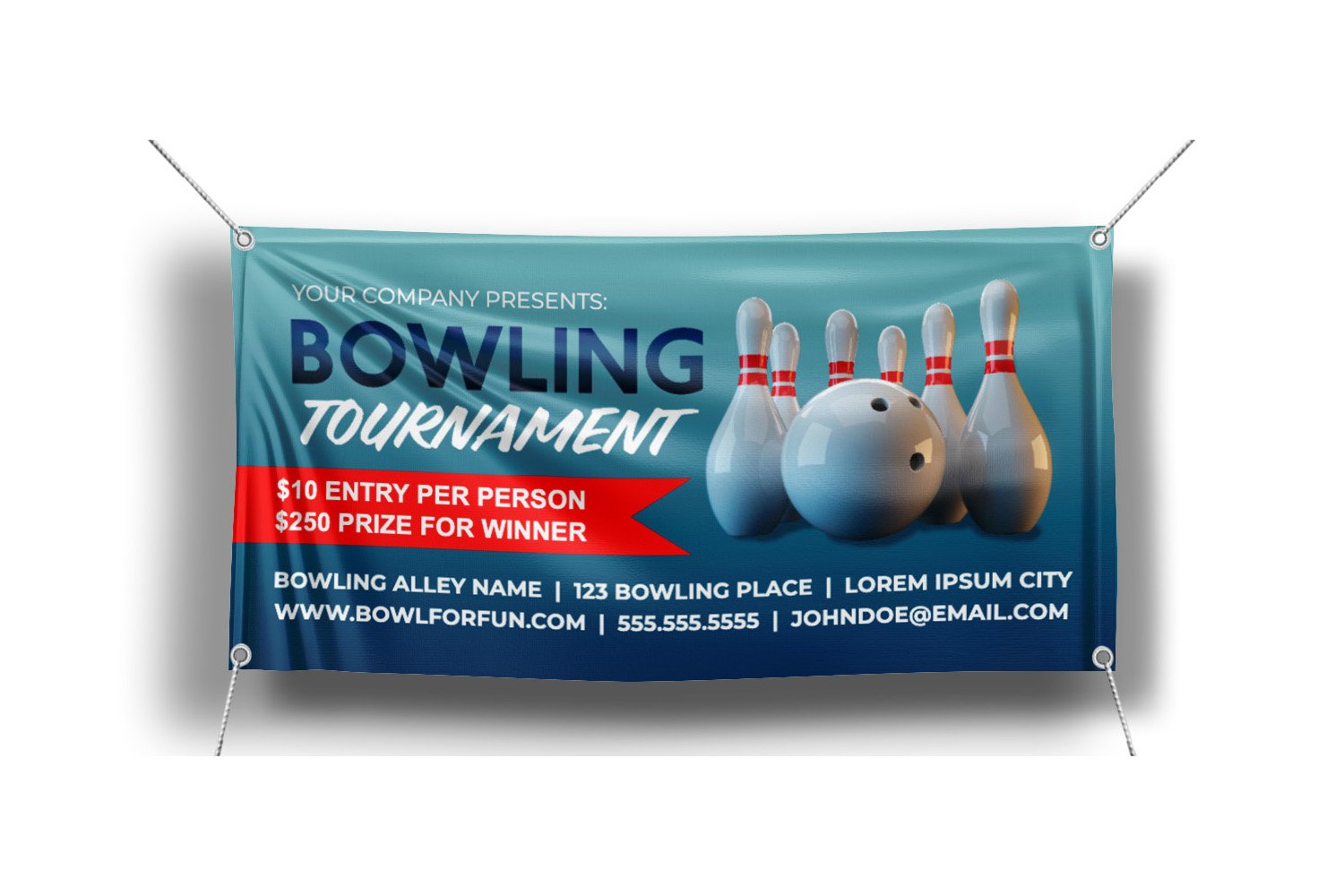
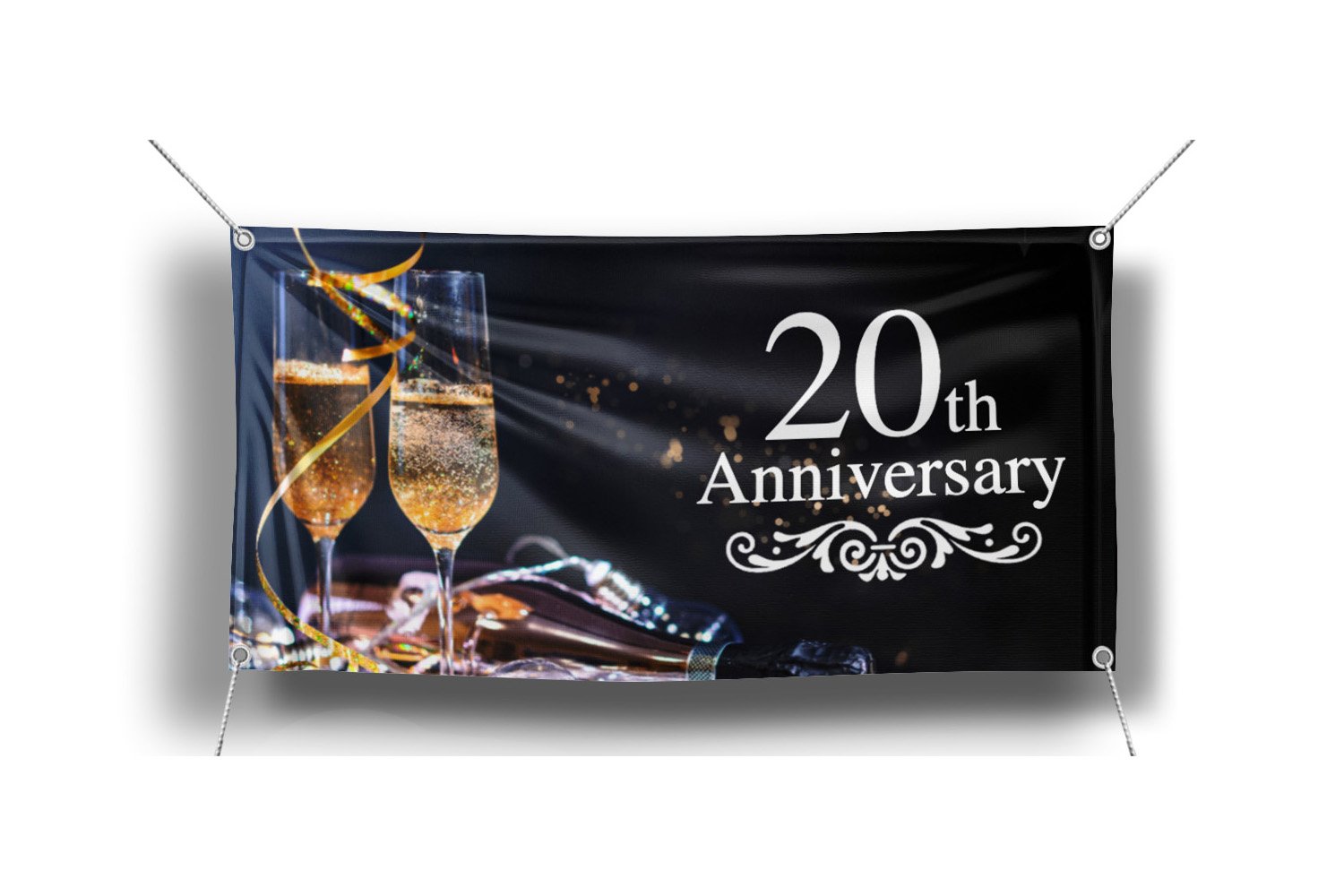
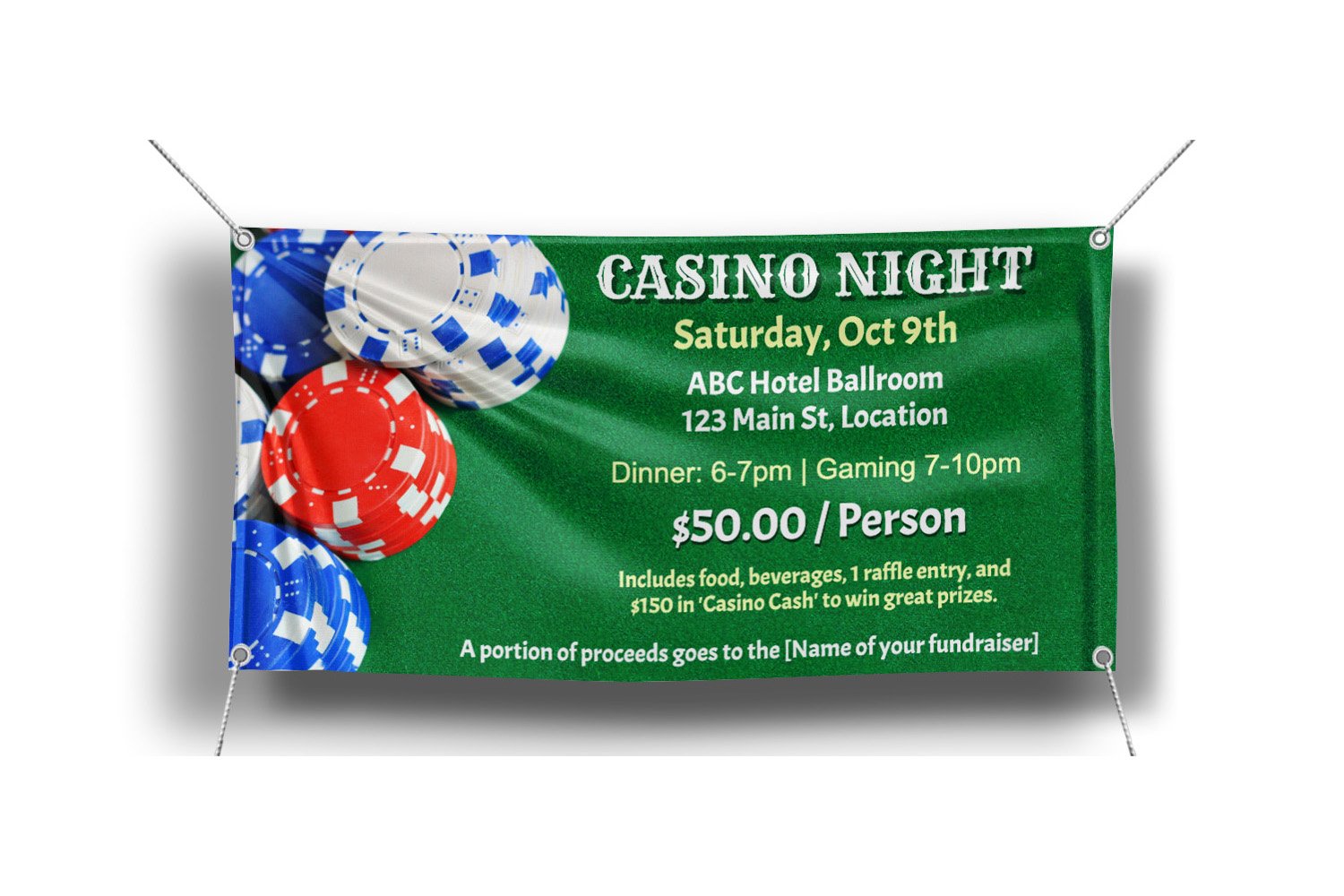
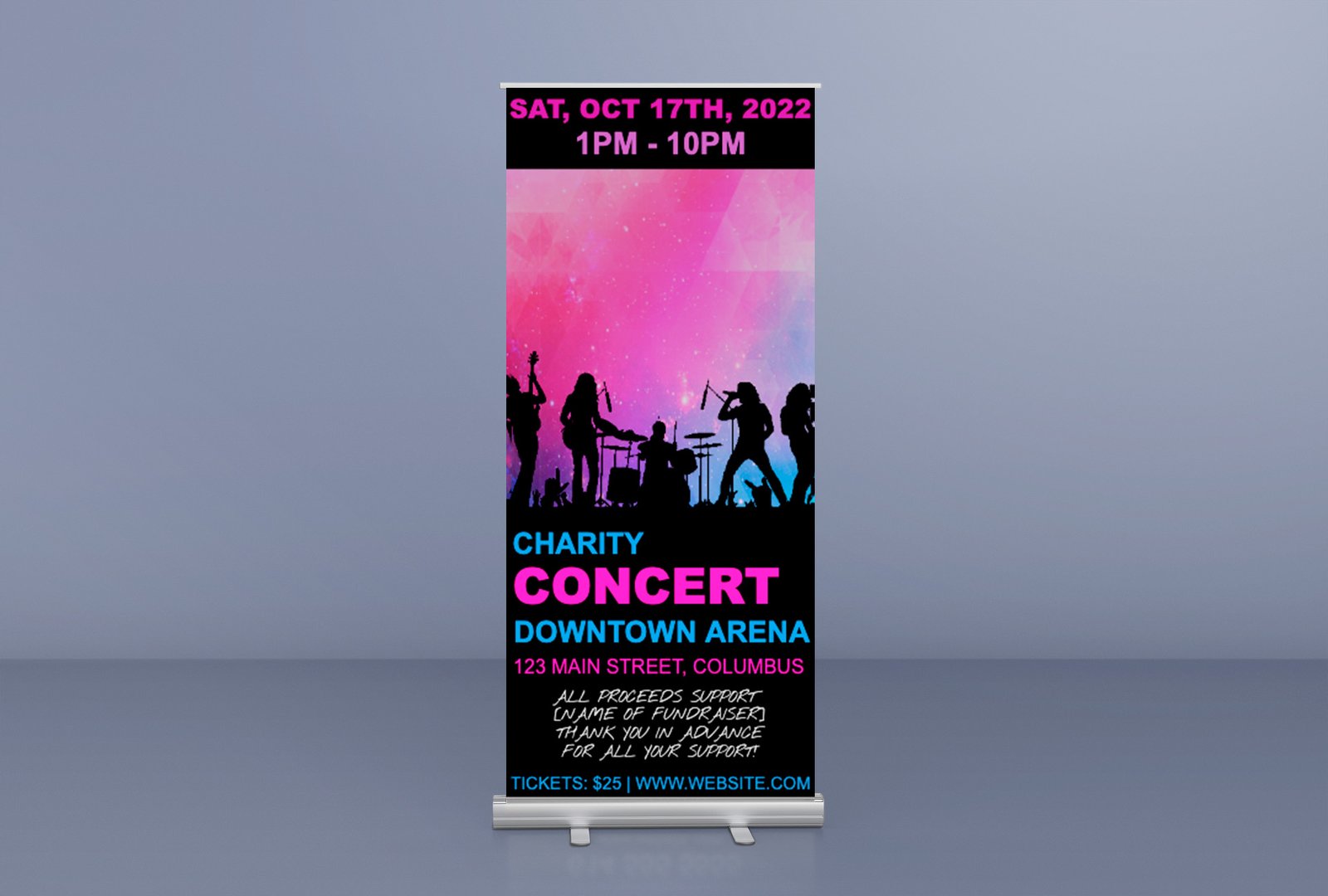
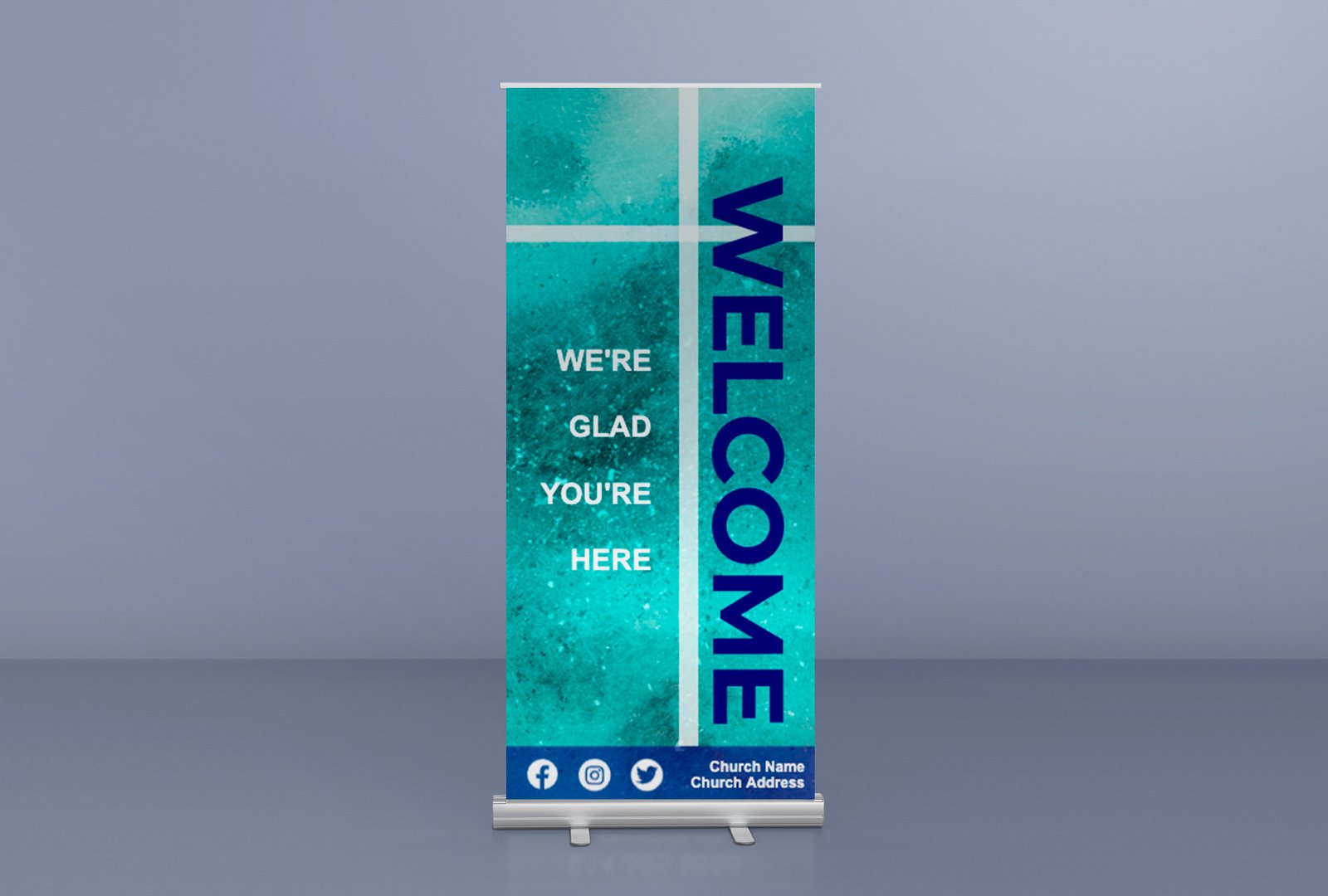
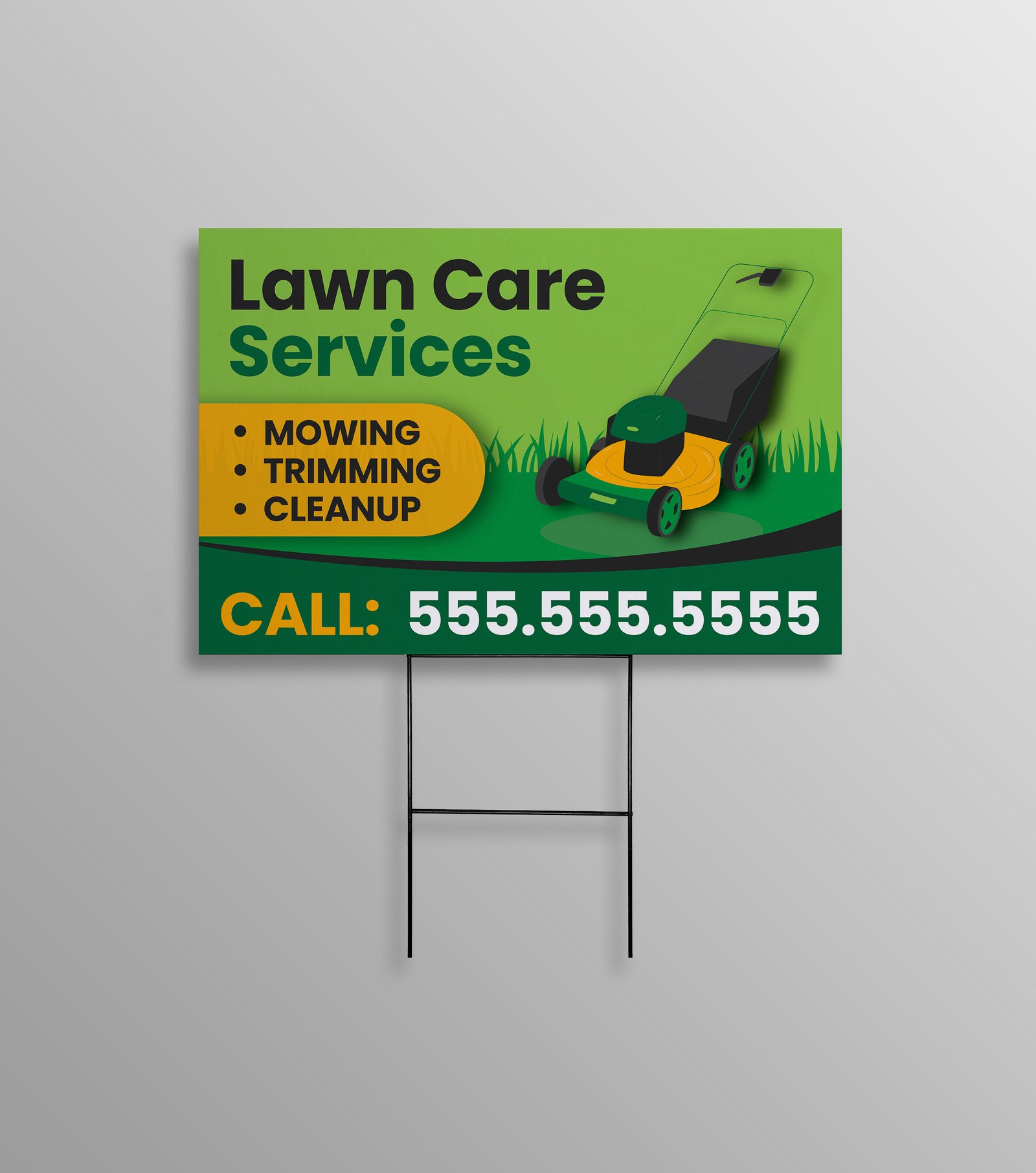
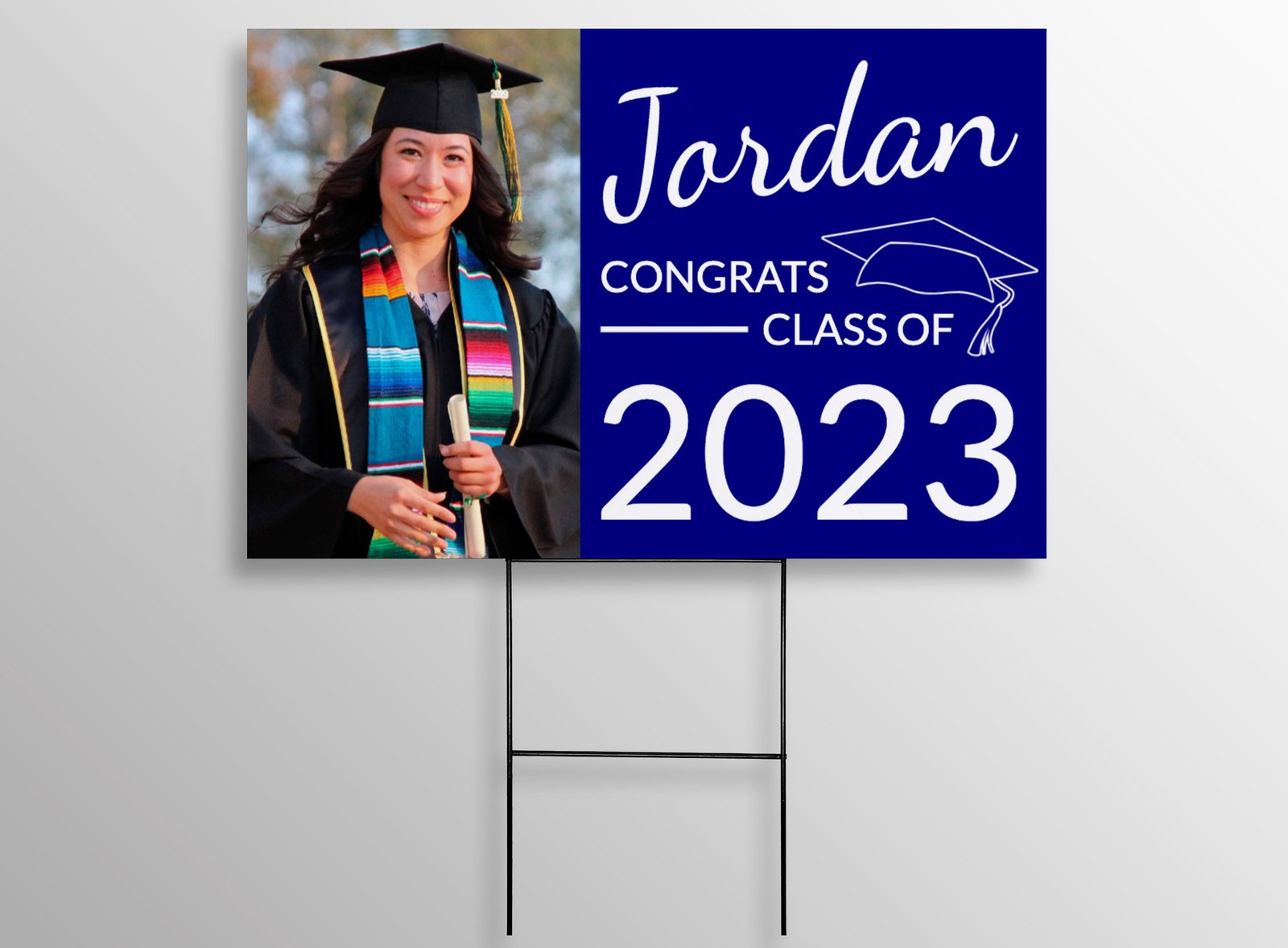
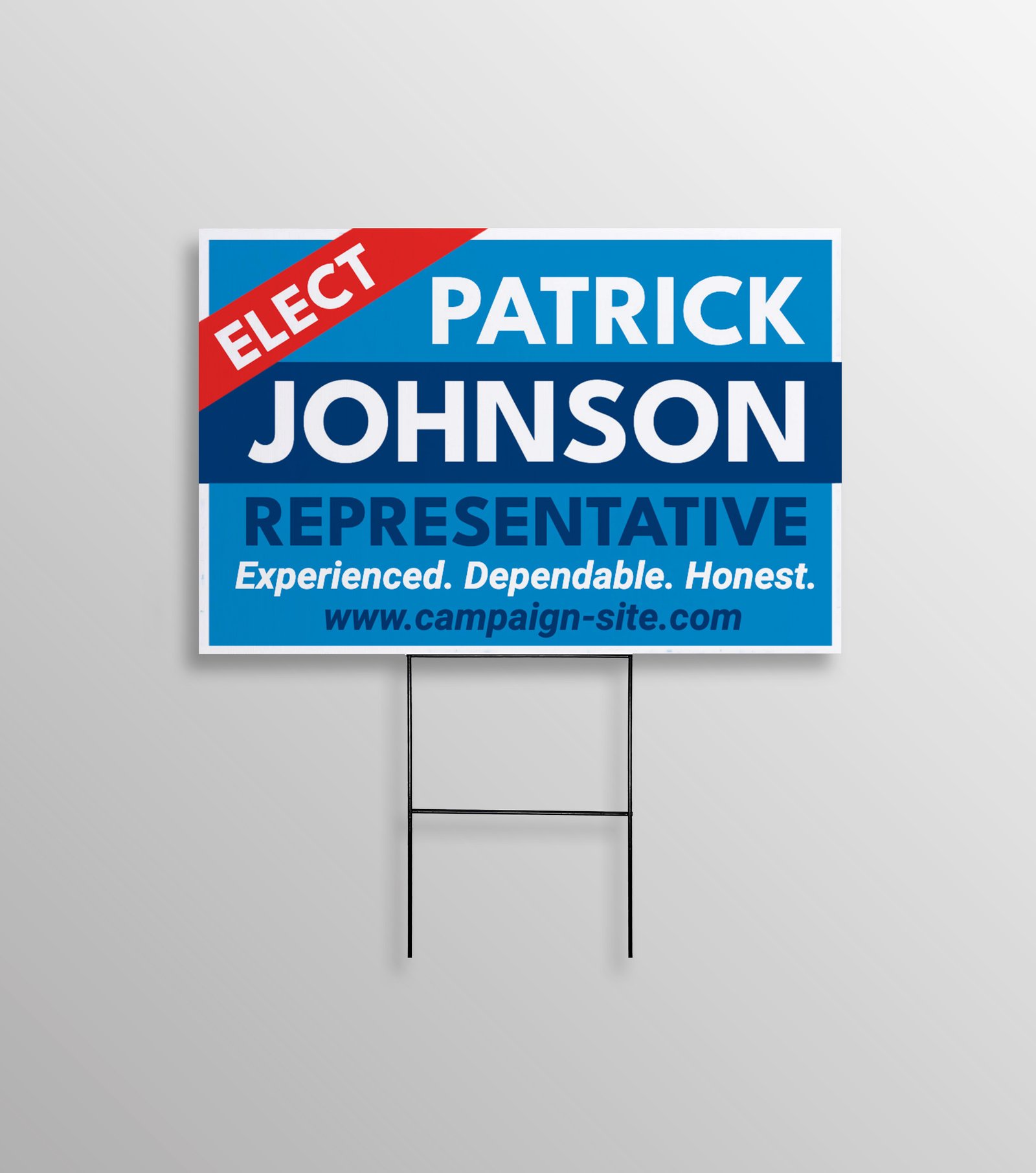
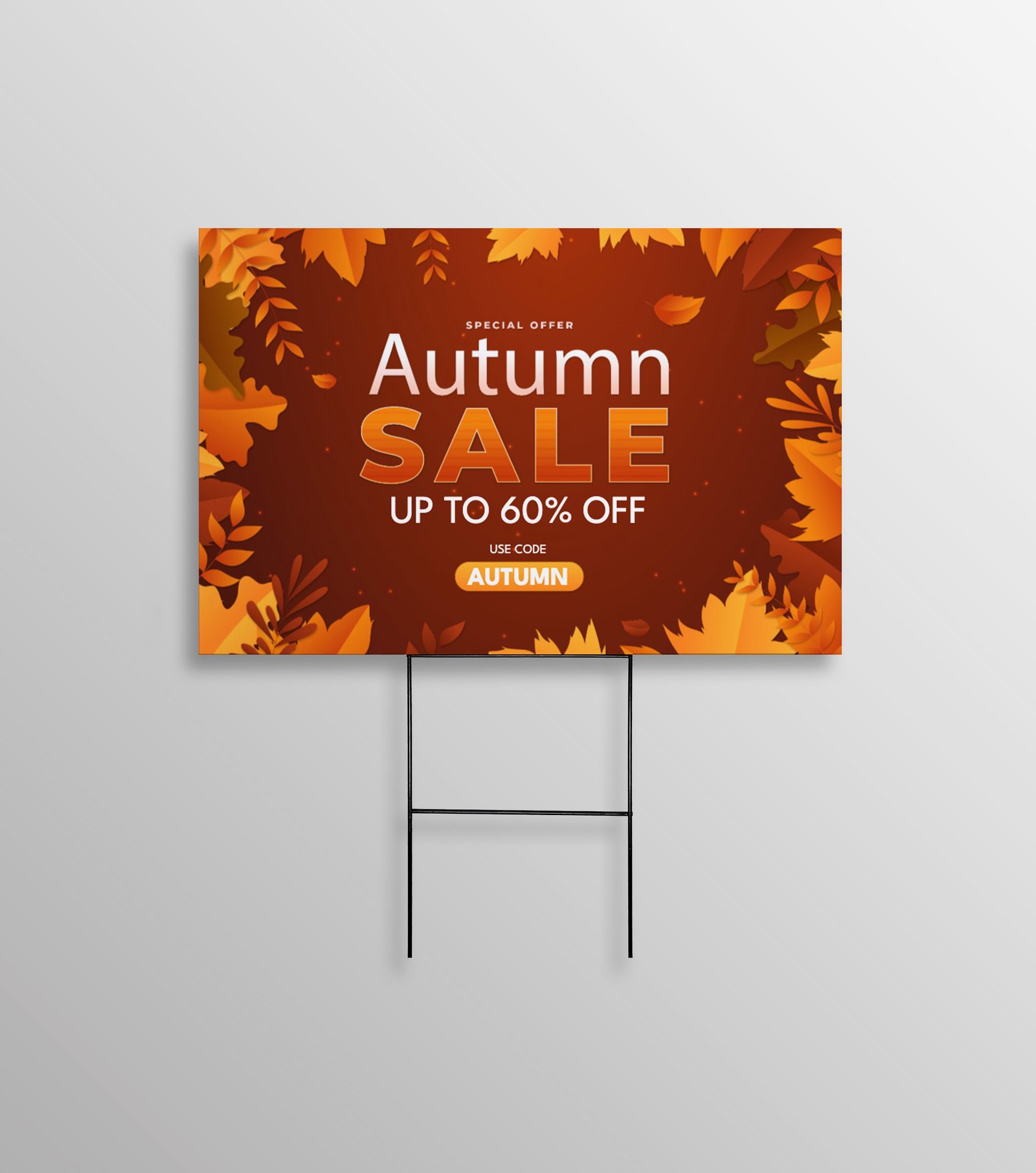
Working as Web Design Manager at Vision Graphics (formerly Nutis Press), a significant part of my output was designing and producing print-ready artwork across the full range of physical formats offered through the WooCommerce storefront — from small yard signs to large-format retractable banners.
Each product type comes with its own constraints: bleed requirements, resolution minimums, safe-zone rules, and substrate considerations. Designing effectively at this level means understanding not just how something looks on screen, but how it translates to a 4-color print process on a corrugated sign blank, vinyl banner, or coated poster stock. The work below is organized by format.
Production standard: every piece prepared as a print-ready PDF to press specs — CMYK, with bleed and crop marks — 150dpi minimum at final size for large format viewed from a distance, 300dpi for posters and anything read up close.
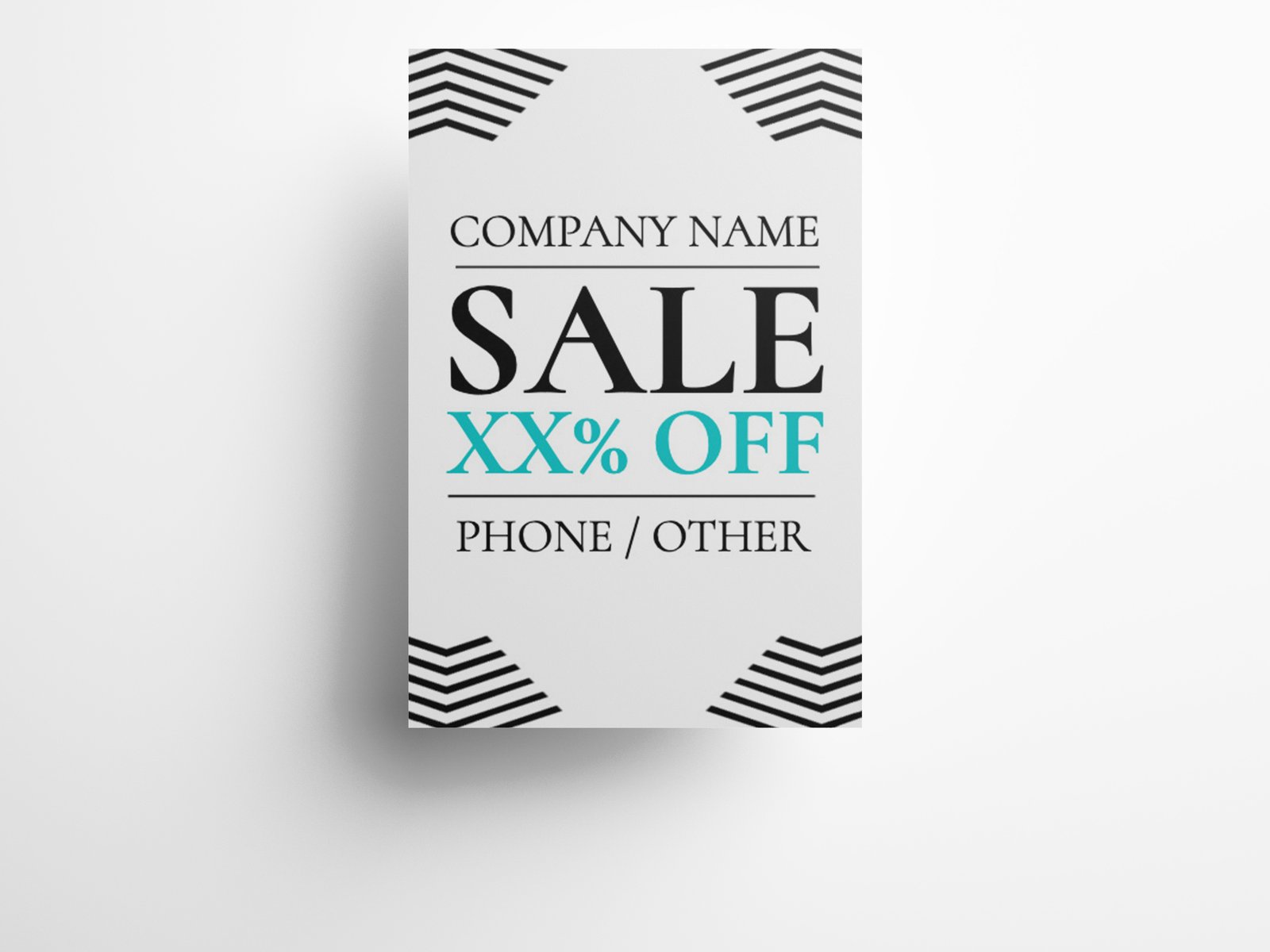
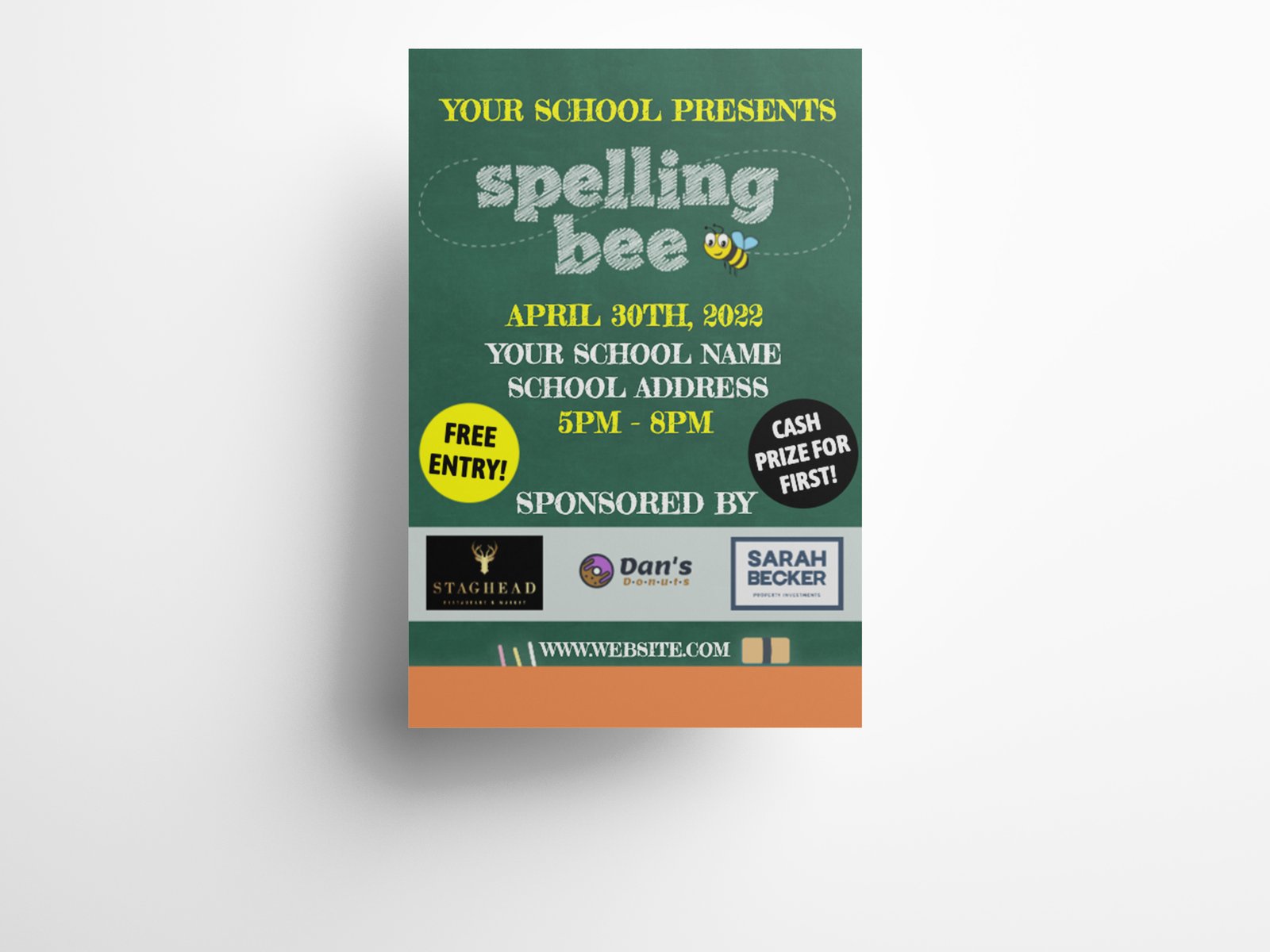
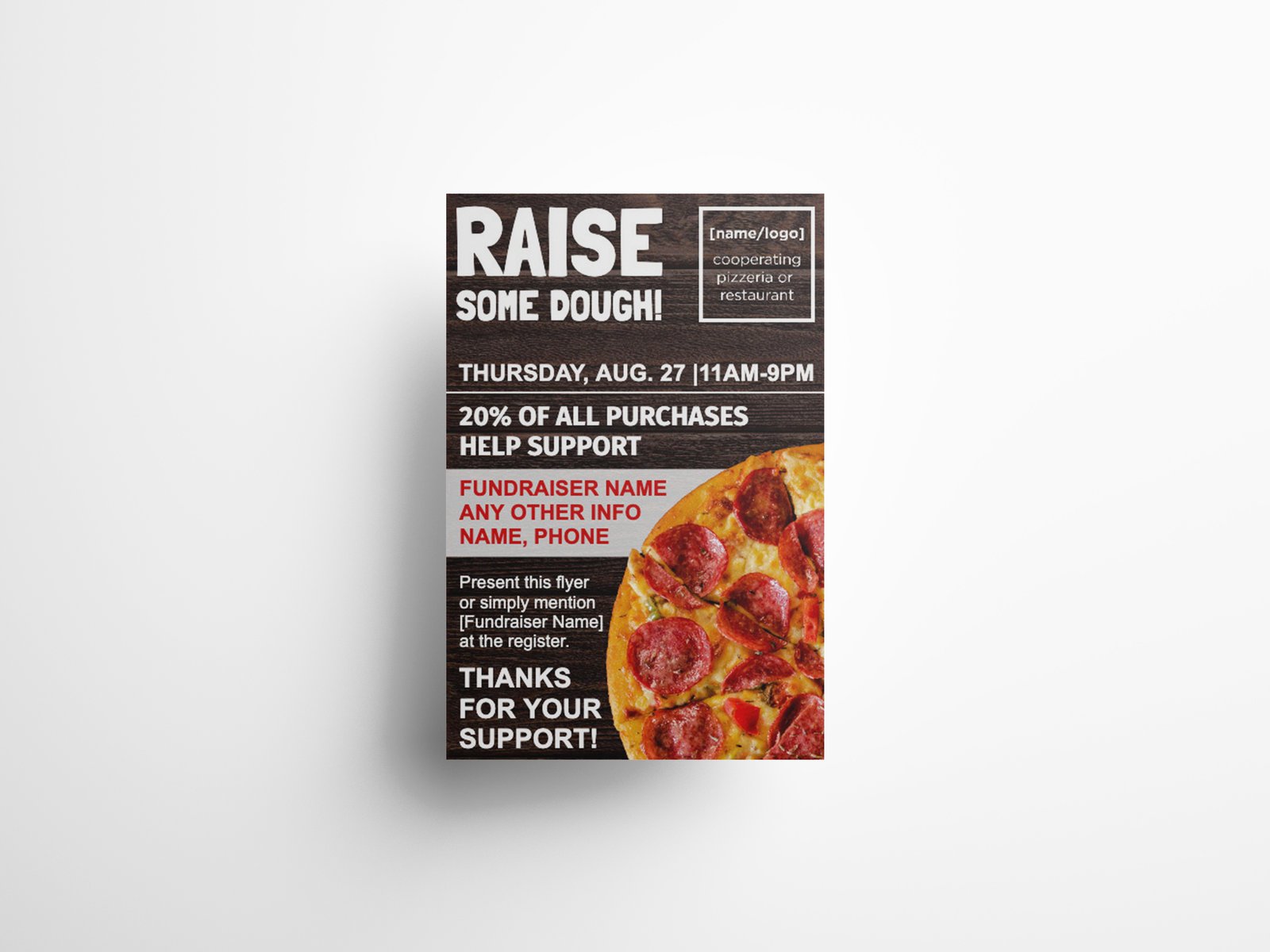
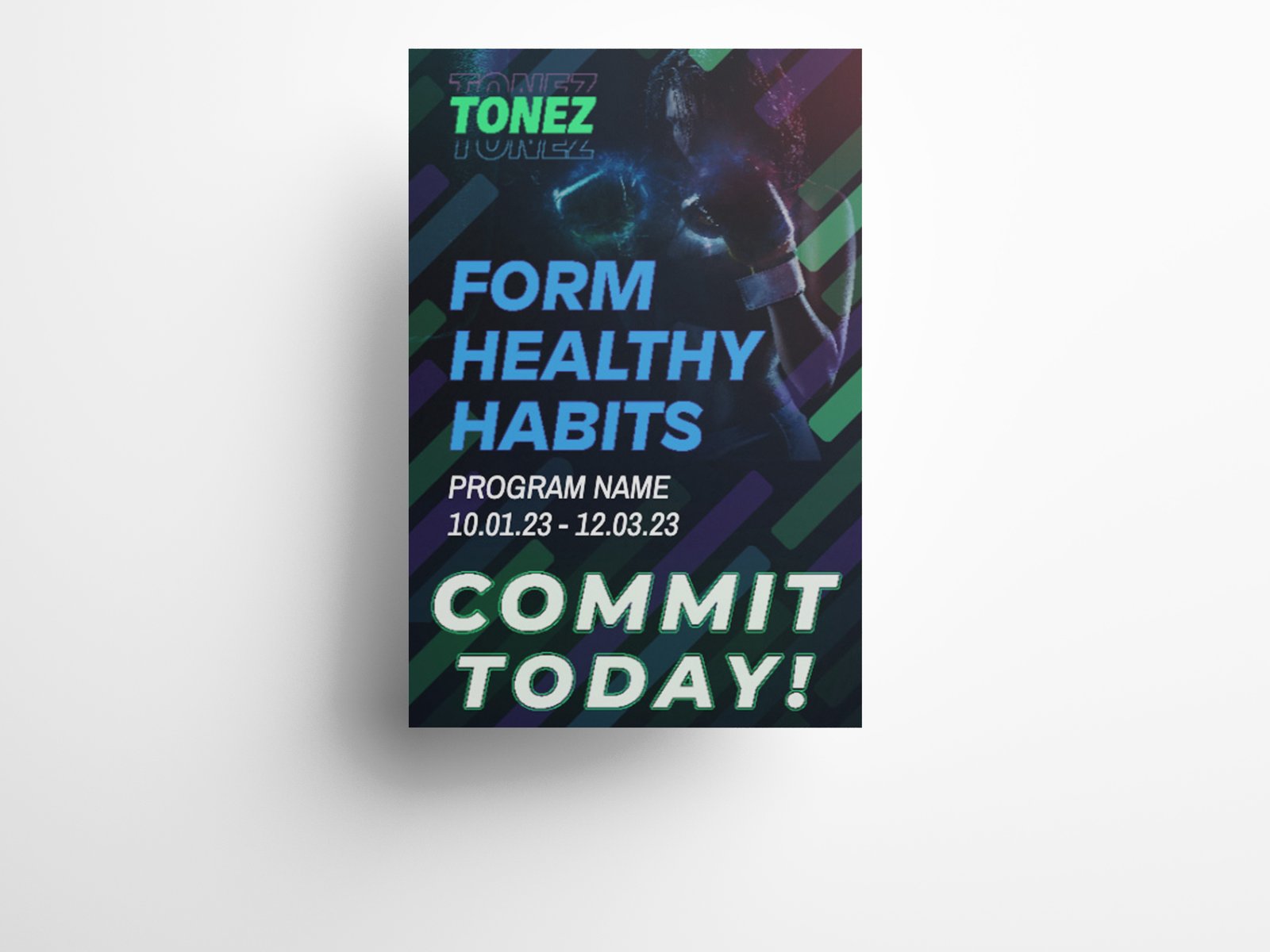
About the placeholder text: these are customer-editable templates. Names, dates, and numbers like “Company Name” and “555.555.5555” are intentional — buyers personalized each one in the storefront’s product designer before ordering.