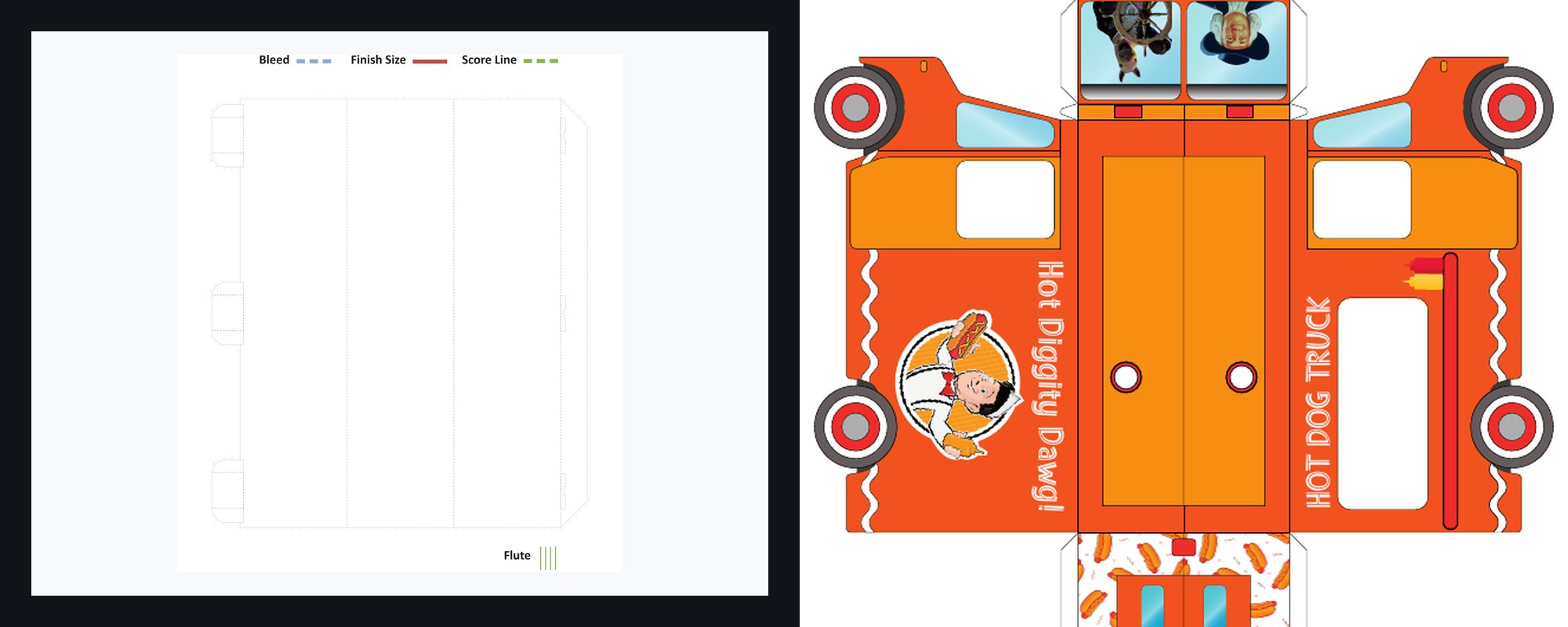
A reusable die-line template — bleed, finish size, score, and flute direction — and the finished product it produces.
Most portfolios show the finished print. This is the engineering underneath it — die-line, bleed, safety, and score systems with a scalable legend, live press proofs signed off on the floor, and cut-file-to-product workflows across large-format, packaging, and structural print. Four-plus years of production discipline made visible.
A design that looks right on screen can still fail on the floor — short bleed, copy inside the trim, a fold that lands in the wrong place, a cut path that doesn't close. The job of prepress is to guarantee the file behaves under real machines and substrates, every time, at any size.
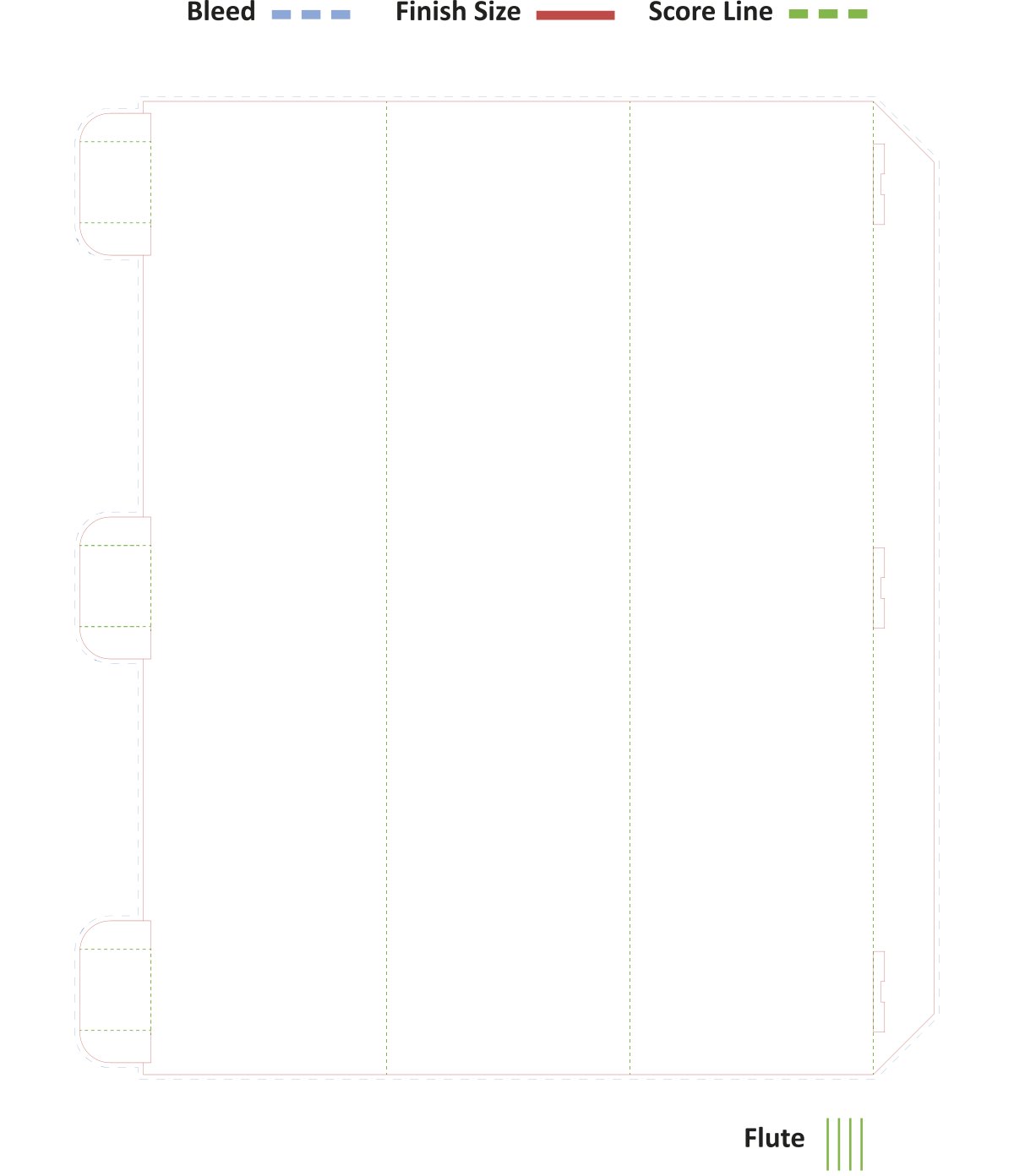
Across four-plus years of production work I built a reusable system of layered die-line templates and proofing files for a variable-product print operation. Each template carries the same disciplined set of lines and a legend that scales with the artwork — so a 12-inch case card and a 14-foot billboard are prepared with the same rules. The work below is the proof of that system.
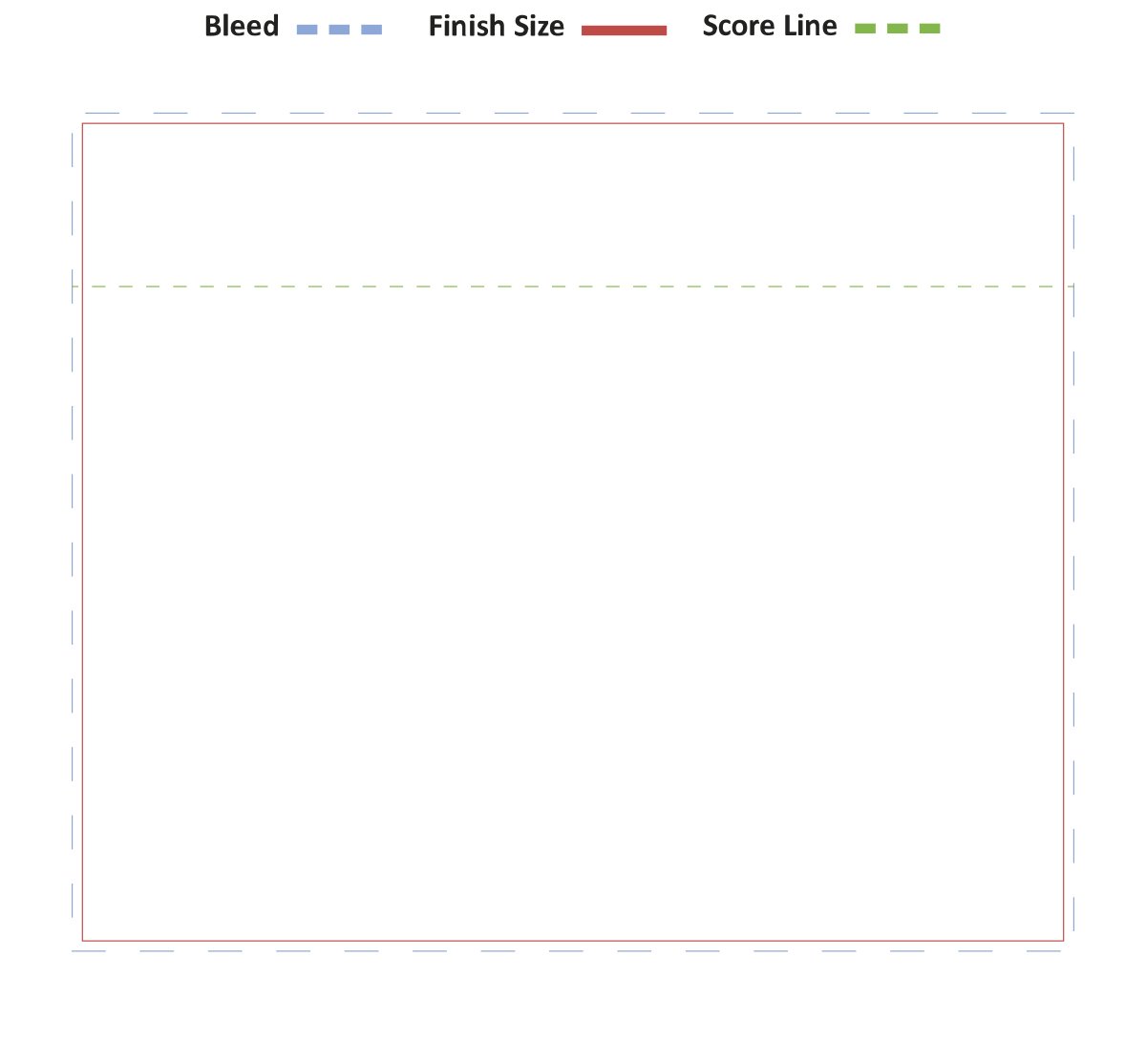
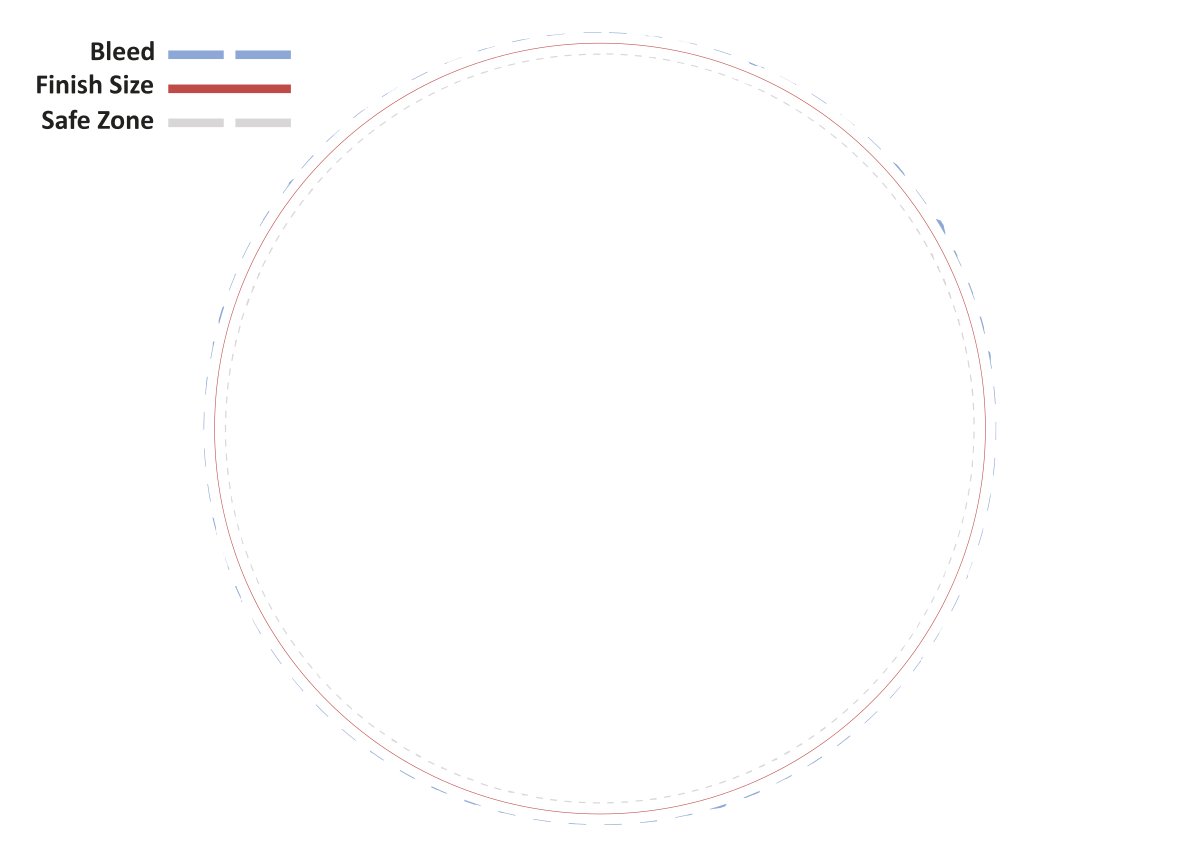
Every template is built on the same vocabulary, kept on locked, clearly named layers so anyone downstream can read the file instantly. The legend travels with the artwork and scales with it, so the keys stay legible whether the piece is inches or feet across.
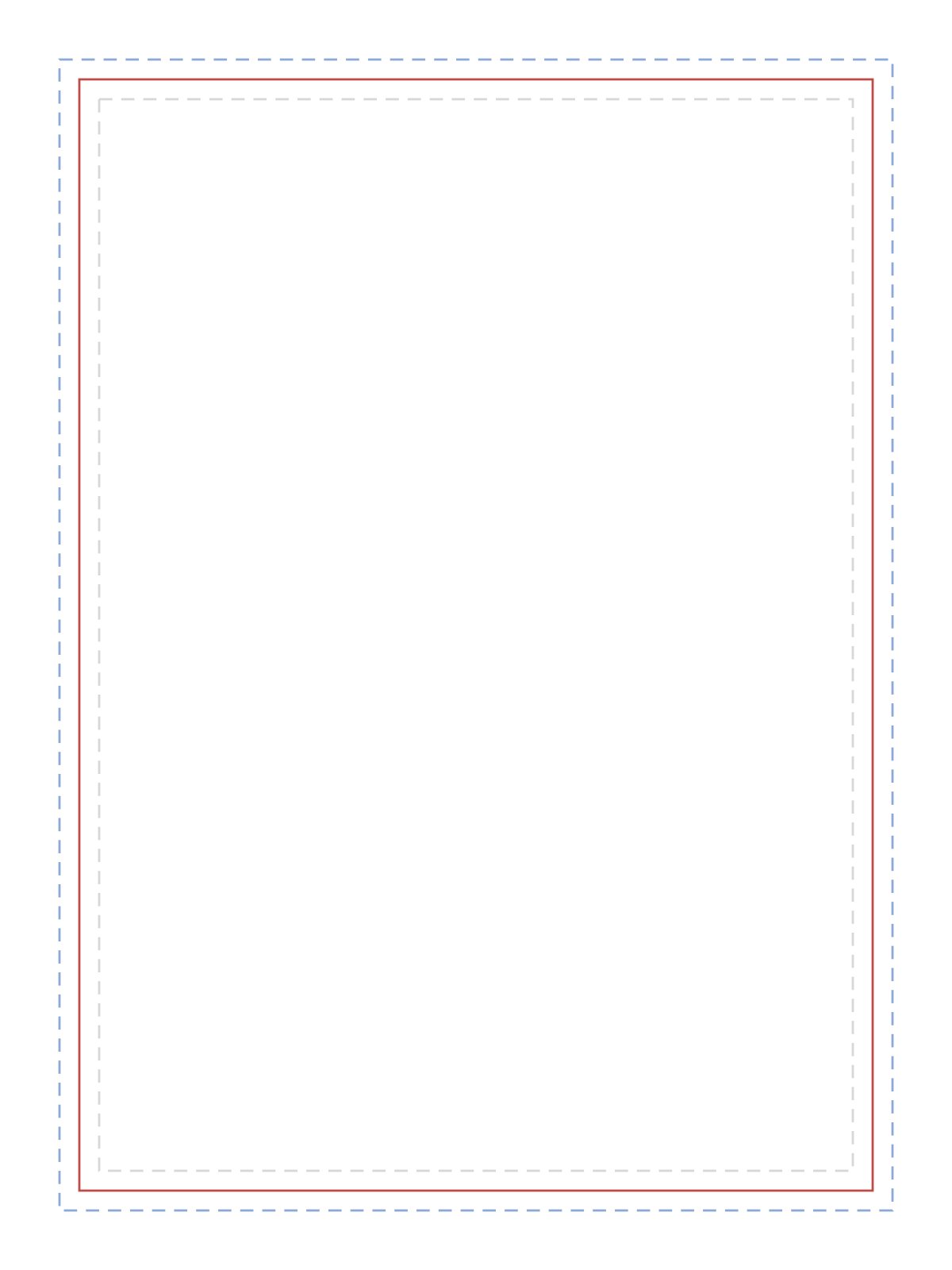

Templates are only half the job. These are real client jobs run through the shop — each carrying a production proof slip with job number, color build, and the cut, score, and perf calls that drive the finishing line. This is the paperwork that turns a file into a printed object.
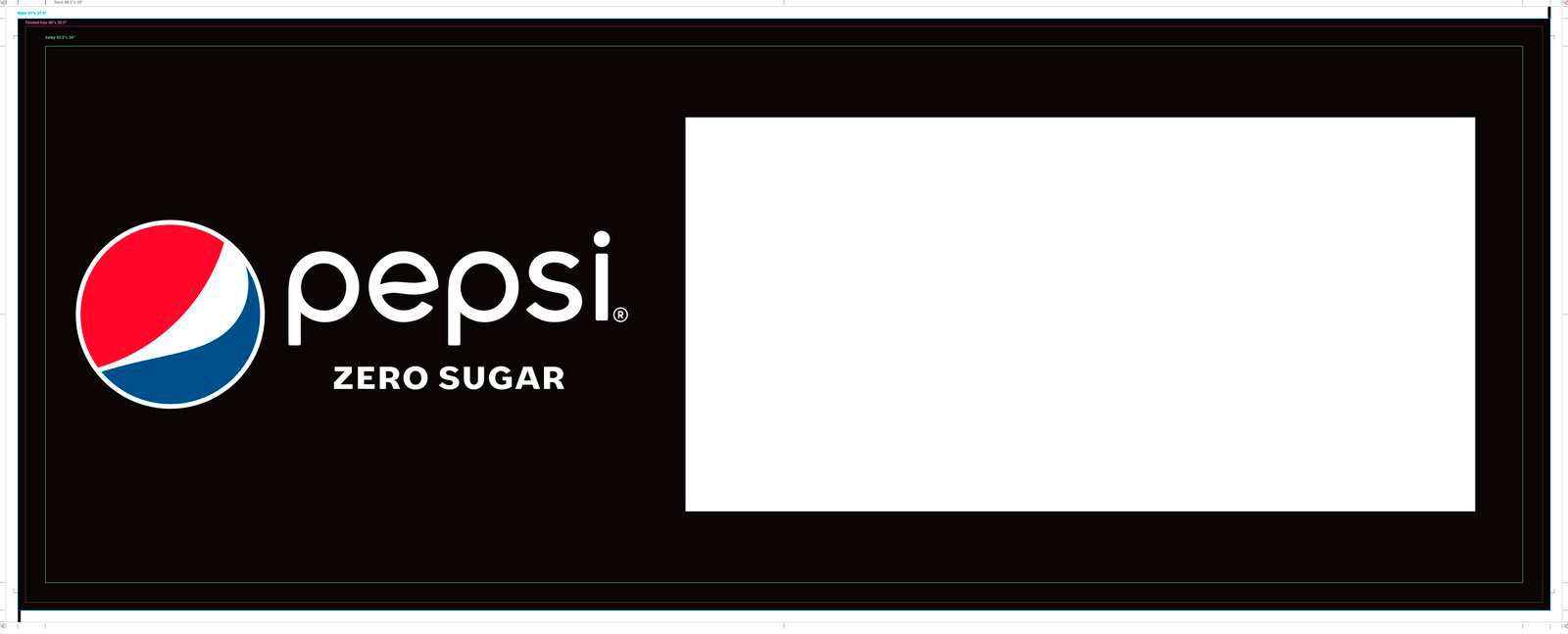
A Pepsi Zero poly banner prepped to spec, with the full proofing slip: job 38771, CMYK build, single-sided, thru-cut checked. The dimension stack tells the whole prepress story at a glance — safety 93.5×34, finished 96×36.5, bleed 97×37.5, stock 98.5×39.
Every number there is a decision that prevents a reprint.
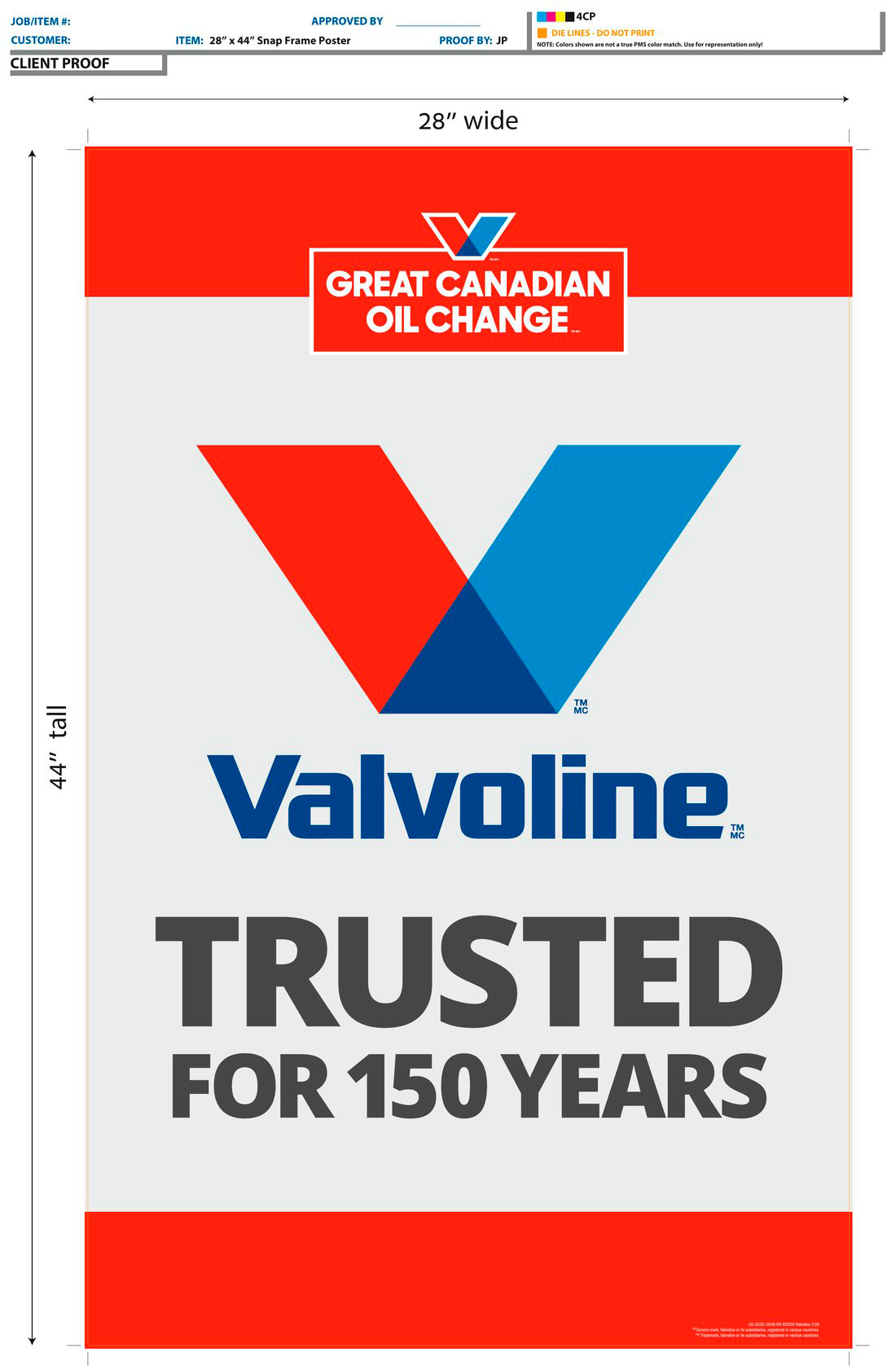
A Valvoline snap-frame poster proofed with visible die lines marked "do not print" and dimension callouts for the 28×44 finish. The proof exists to confirm trim and image safety before the file ever reaches output — the colors are flagged as representative, not a contract match.
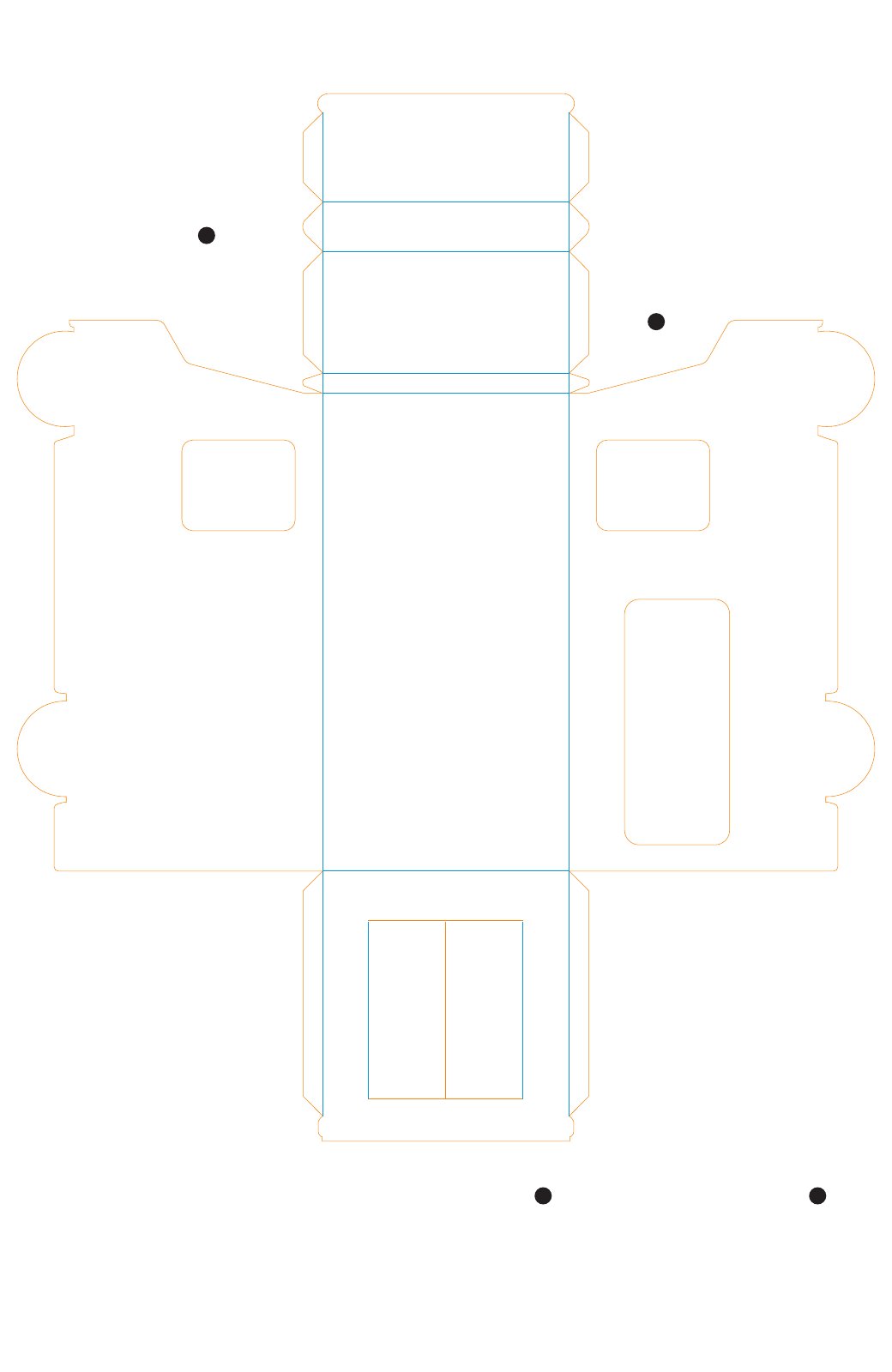
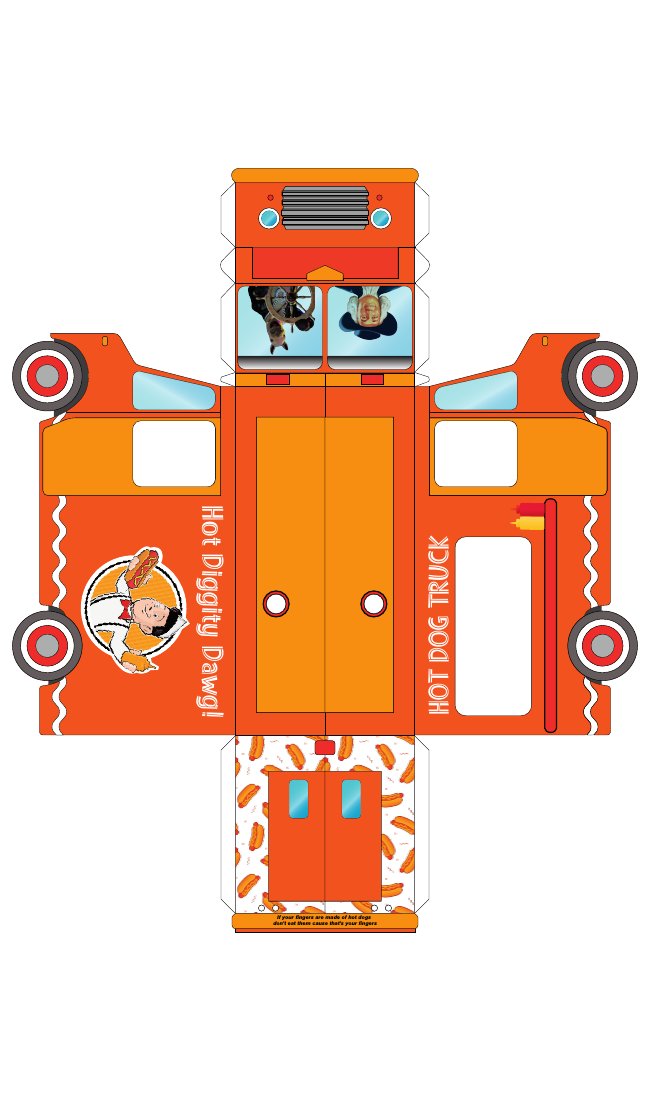
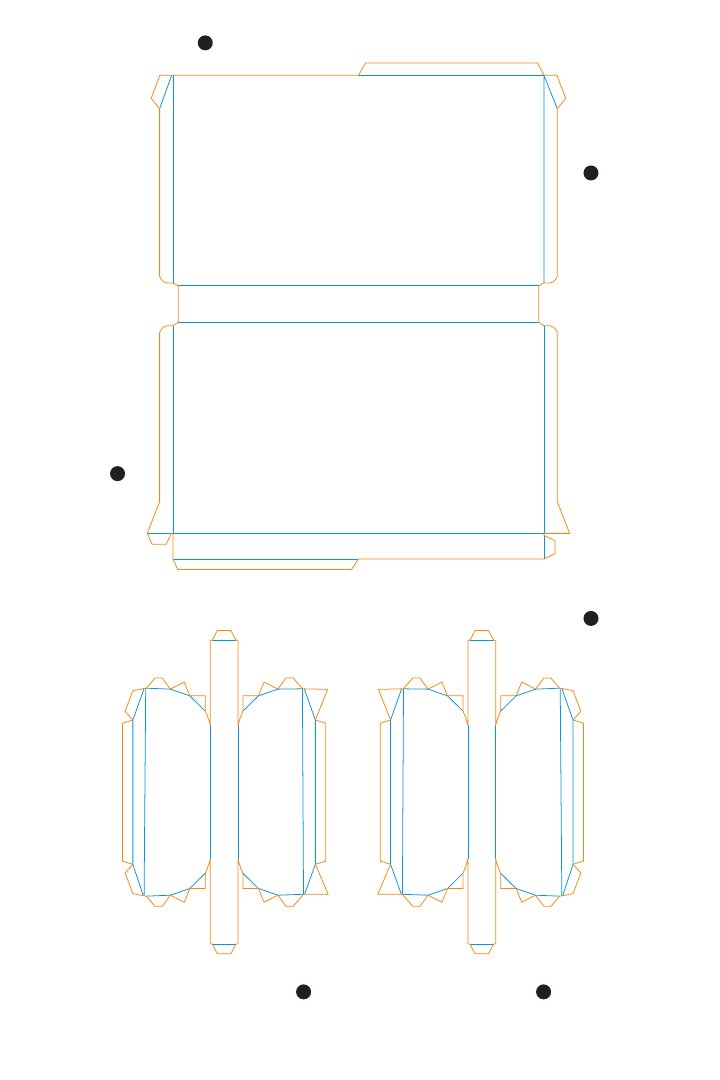
Structural pieces are the real test of prepress: the flat file has to fold into a believable object. These cut files pair a Zünd-ready score-and-cut path (blue scores, outline cut) with the finished printed artwork that wraps it — the same file, seen as engineering and as product.
The cut file defines every fold and tab so the flat sheet assembles into a clean three-dimensional truck. Beside it, the finished printed artwork: panels, wheels, windows, and wrap-around branding all positioned to land correctly once folded.
Get the score map wrong and the graphics drift across the seams — this is where production knowledge protects the design.
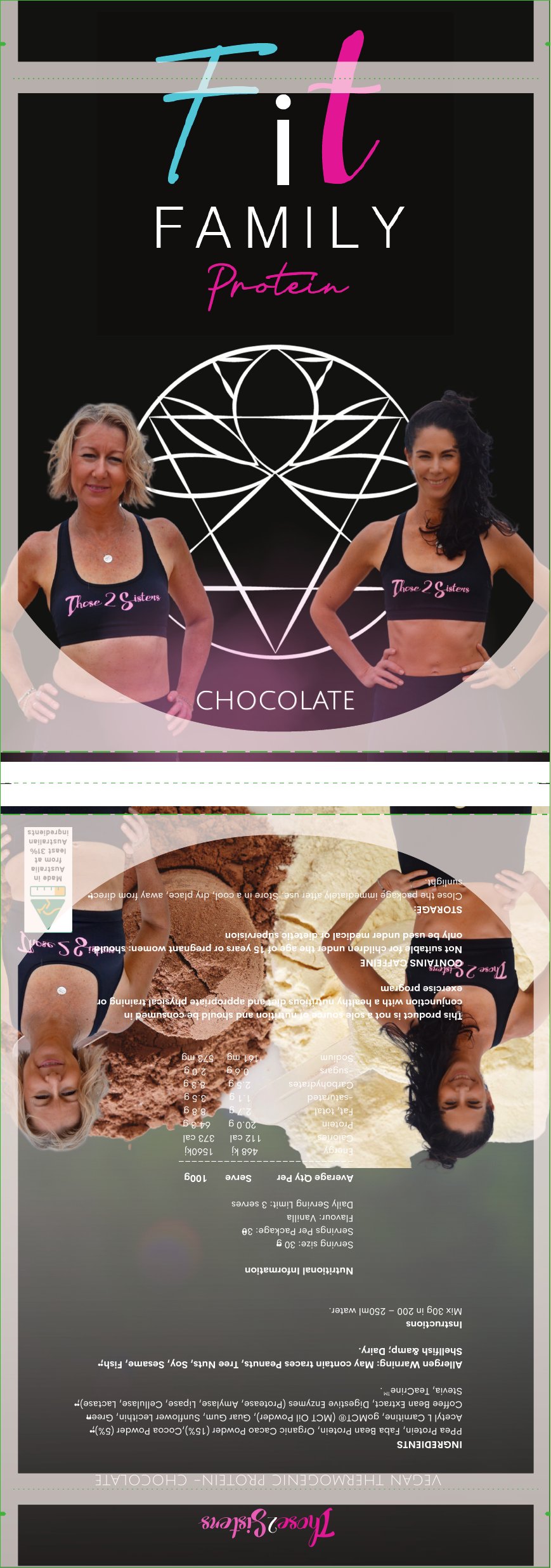
The production output preview for a protein pouch — front-of-pack branding and the full regulatory back panel (nutrition table, ingredients, allergen and storage copy) imposed as one print-ready file with seal and trim built in.
This is the deliverable that sits behind the packaging case study: the same artwork, shown as the output proof a press operator actually receives.
The discipline doesn't change as the format grows — it gets more unforgiving. At billboard scale, a few inches of missed bleed or a headline parked in the safety margin is visible from the freeway. These pieces apply the identical bleed-safety-trim system at out-of-home scale.

The value of this work is trust: files that output right the first time, proofs that document every finishing decision, and templates that keep a whole variable-product catalog consistent. It is the layer that lets a designer promise a client the printed piece will match the screen — because the production engineering underneath it is sound.
I prepare print artwork the way these were made — correct die lines, bleed, safety, and score, with proofing built in for digital, screen, large-format, and structural output.
Start a project