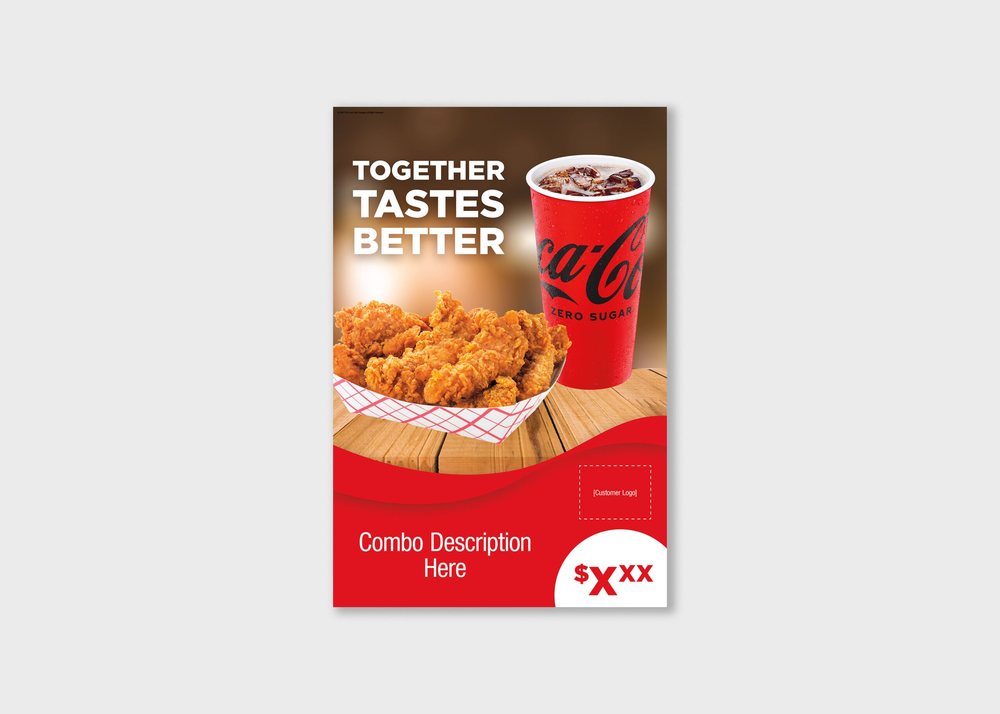
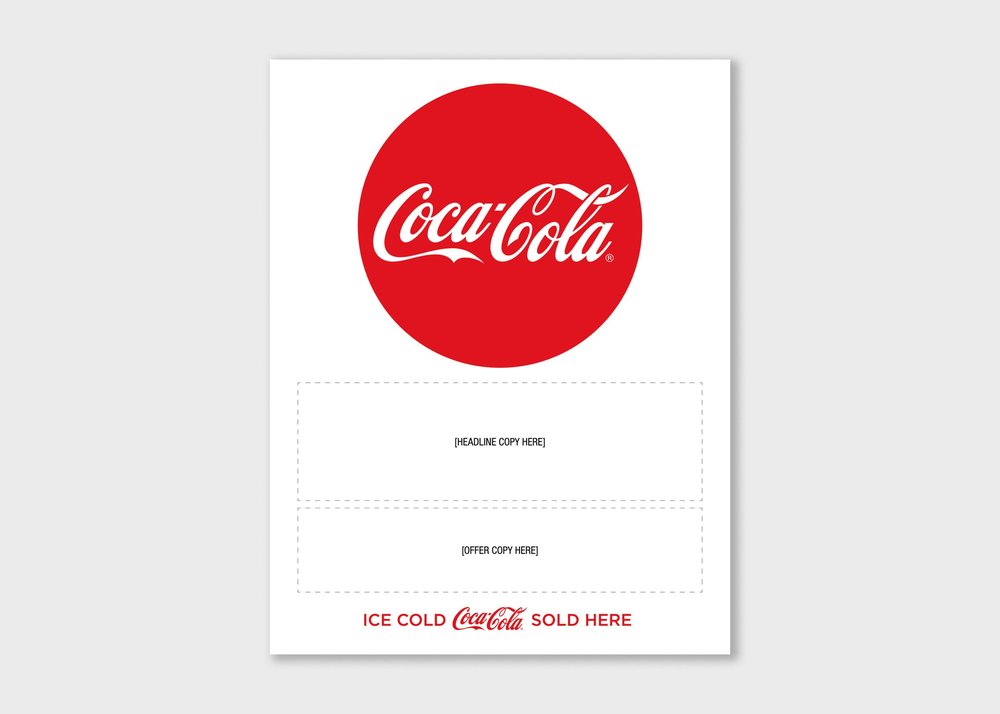
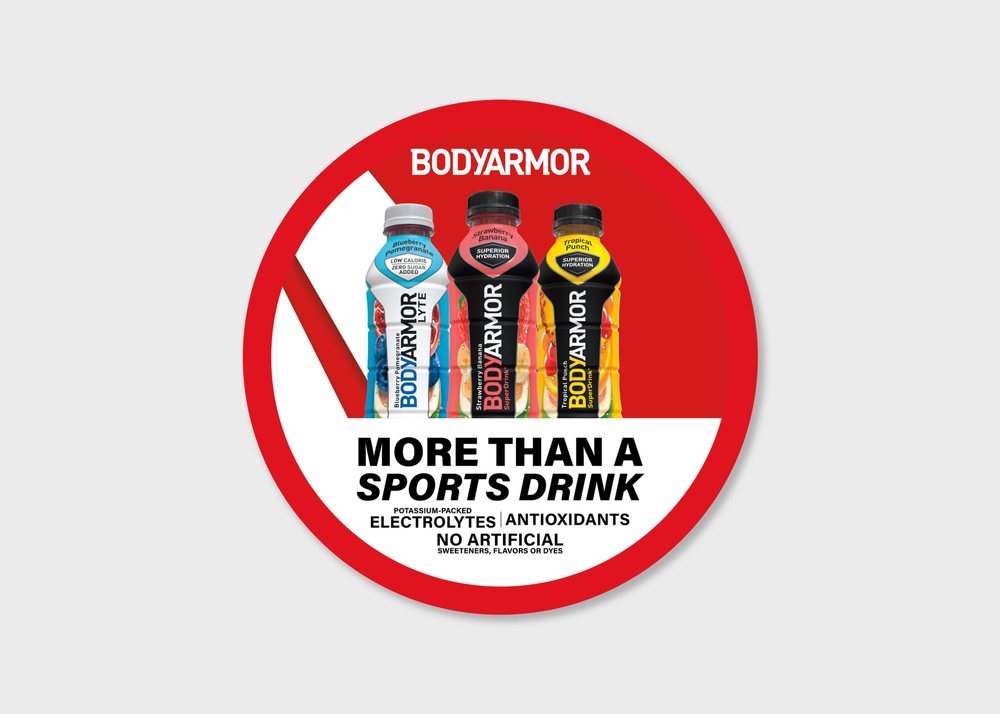
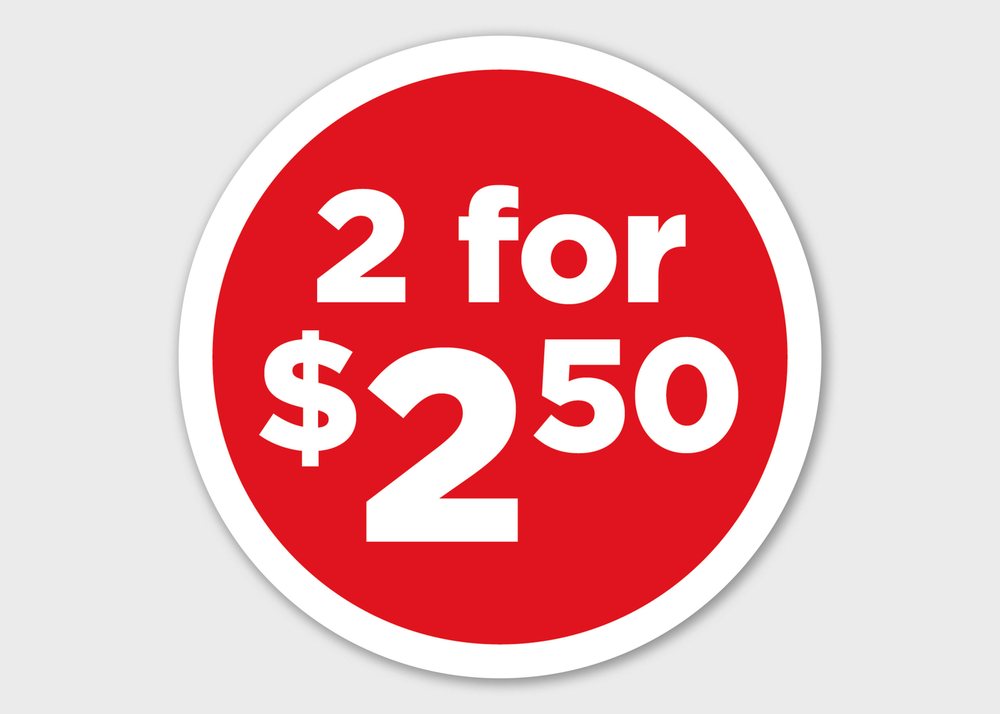
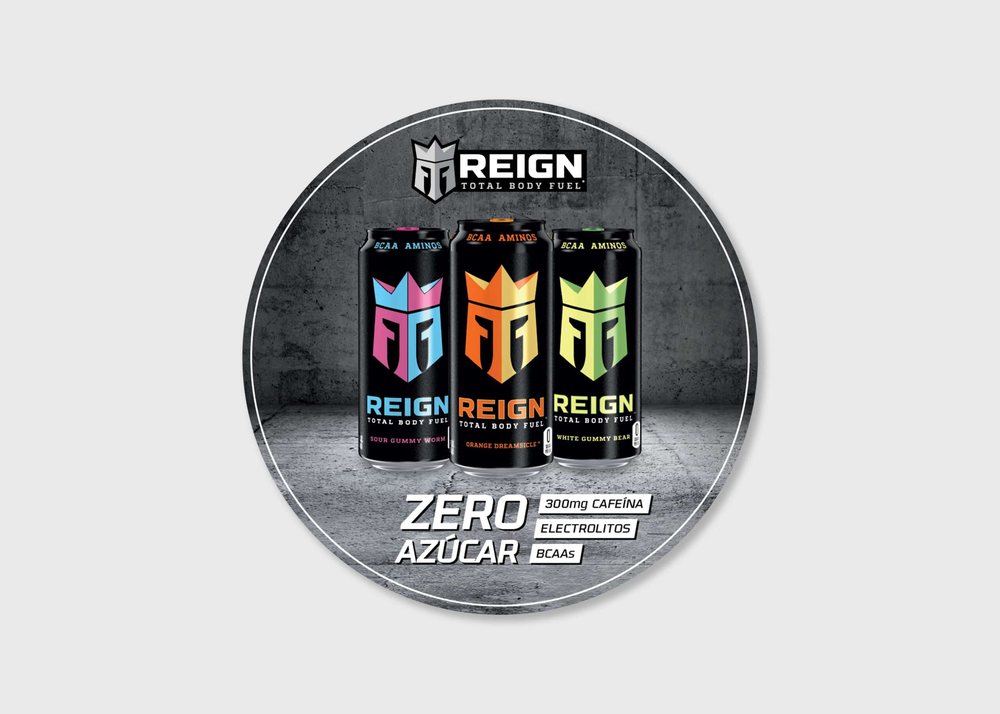
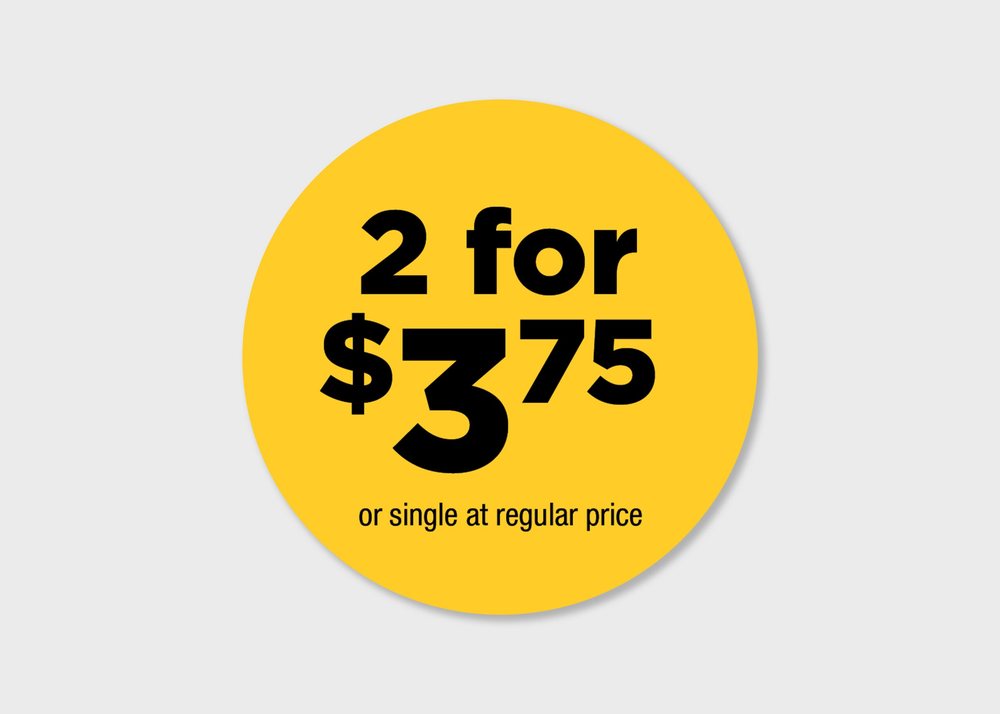
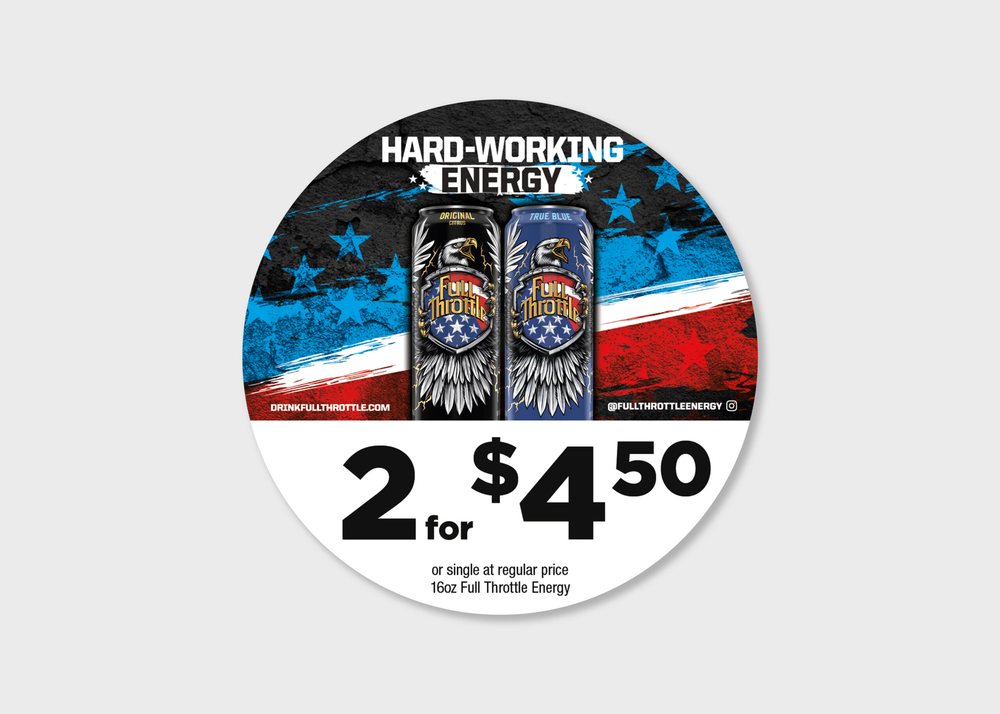
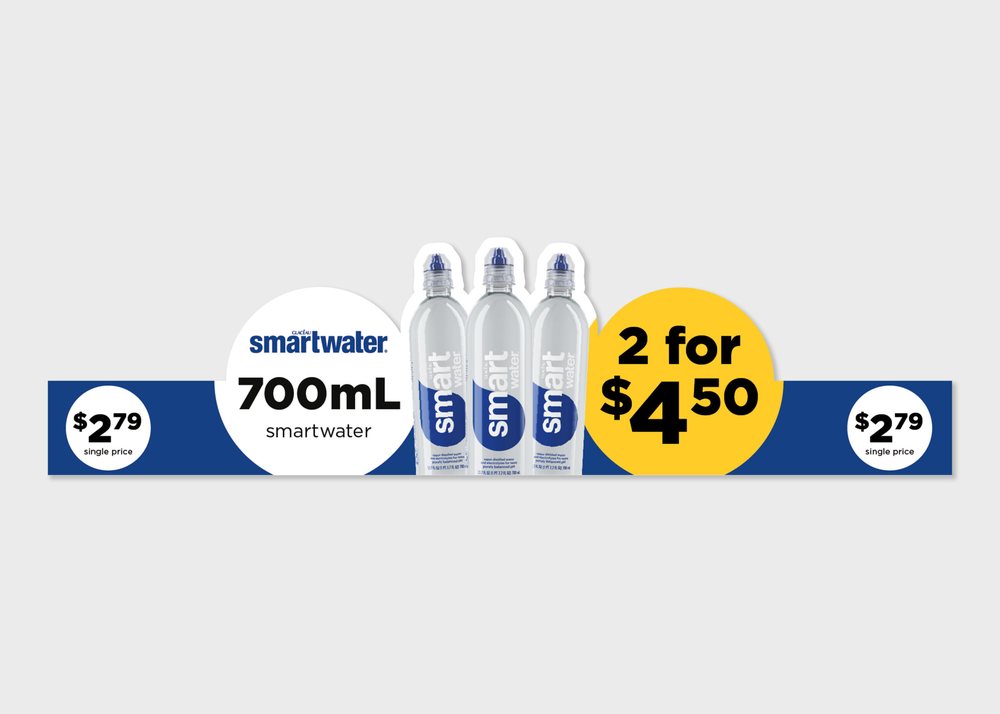
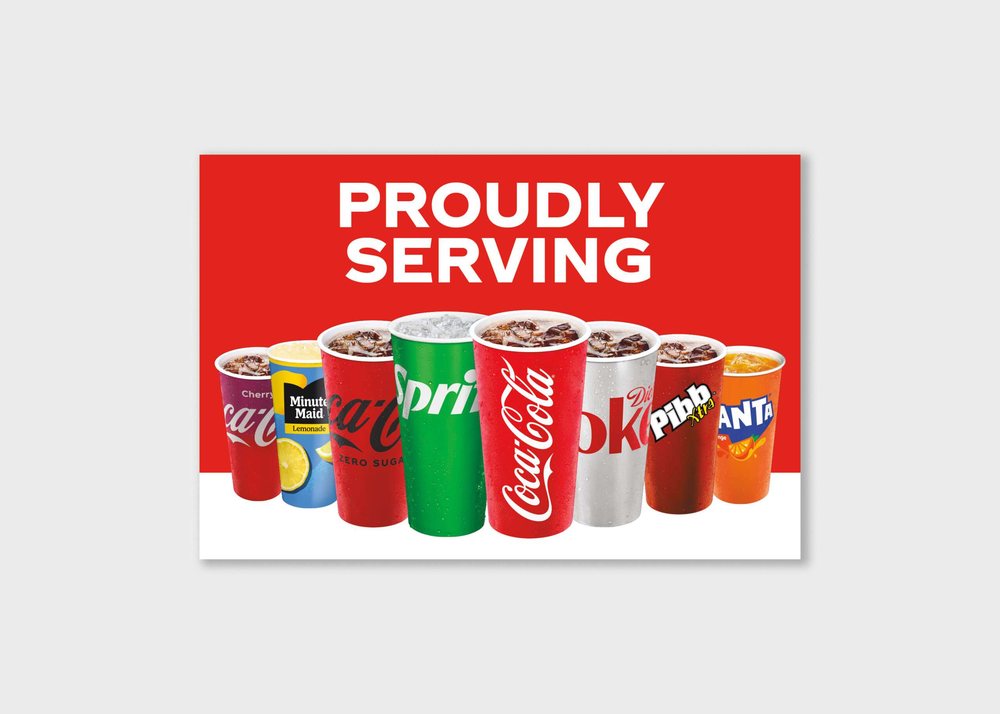
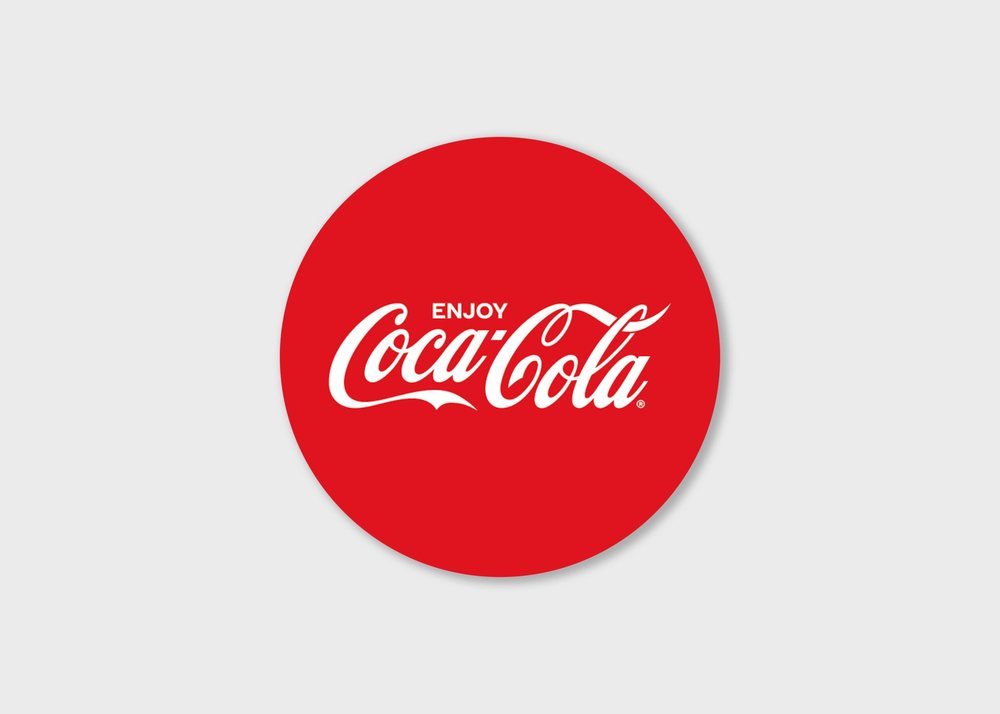
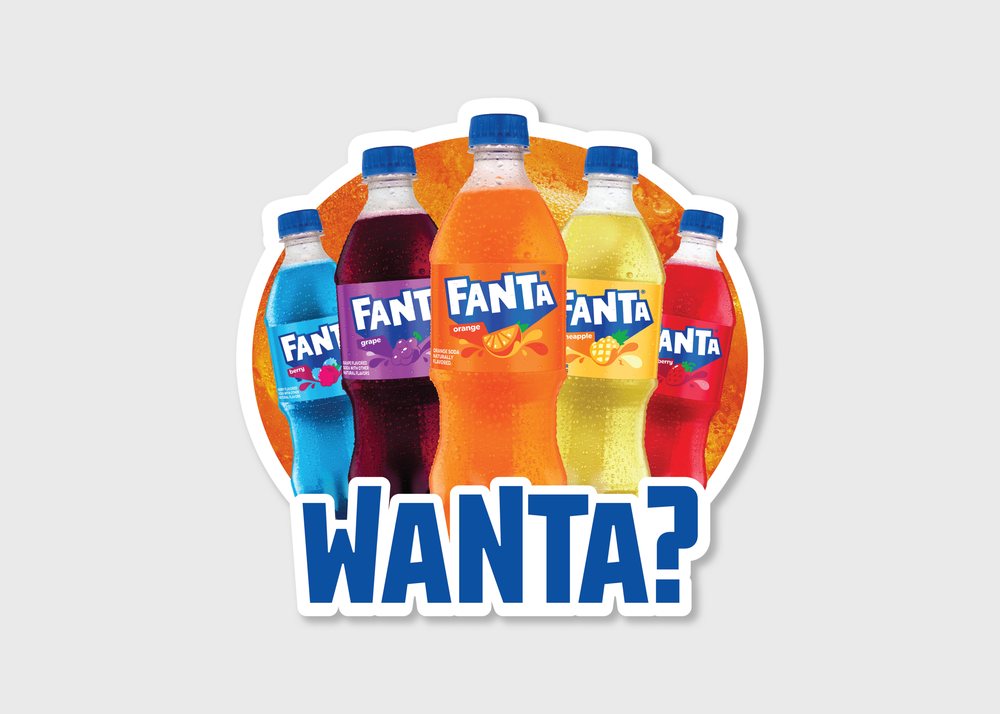
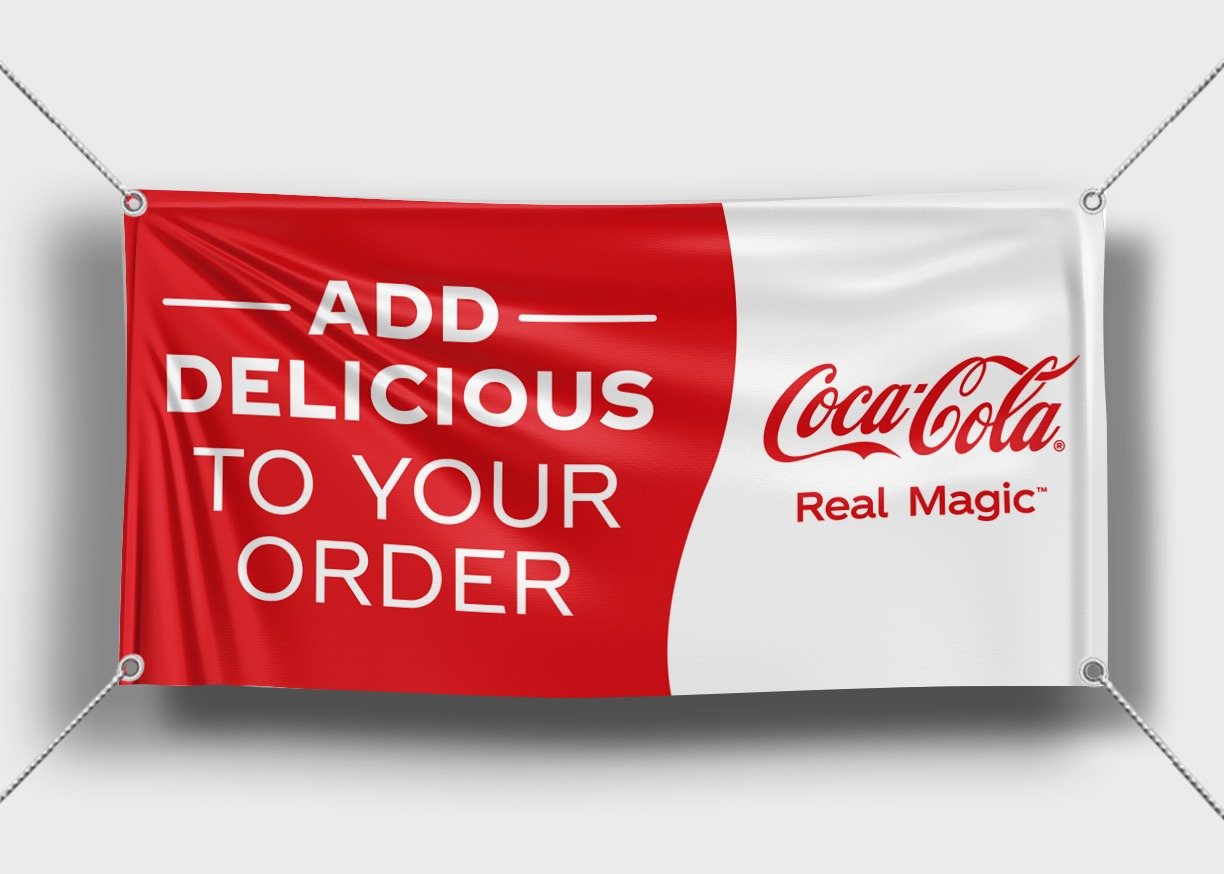
The point-of-sale range behind the Coca-Cola Consolidated web-to-print store: menu boards, clings, price discs, runner tags, table tents and banners, each template built to its production dieline so what a distribution center ordered online is what came off the press.
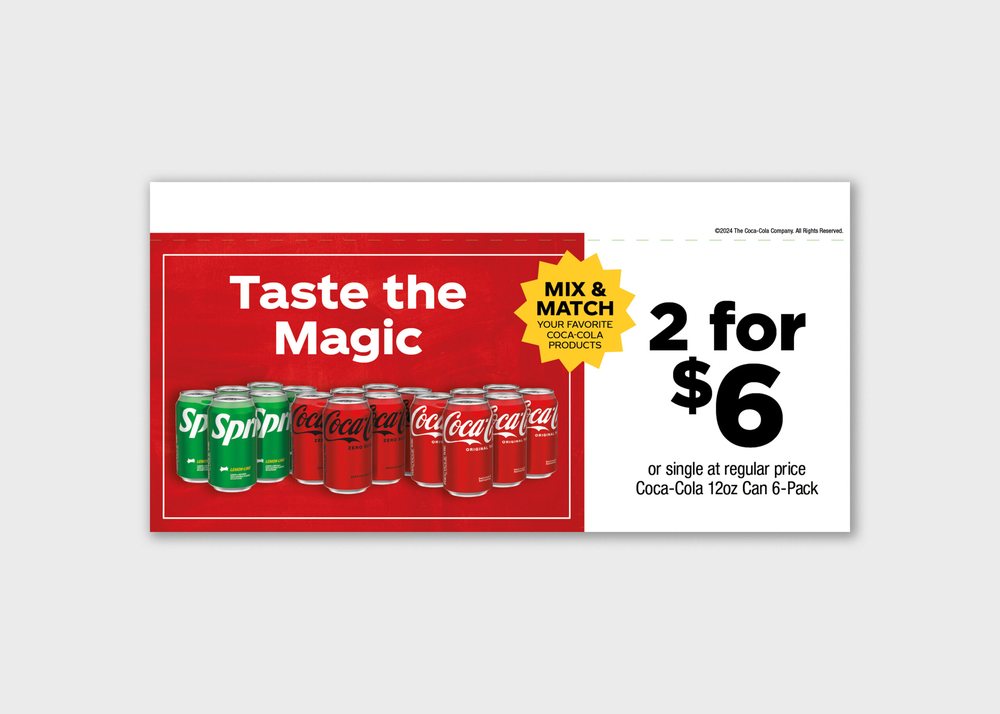
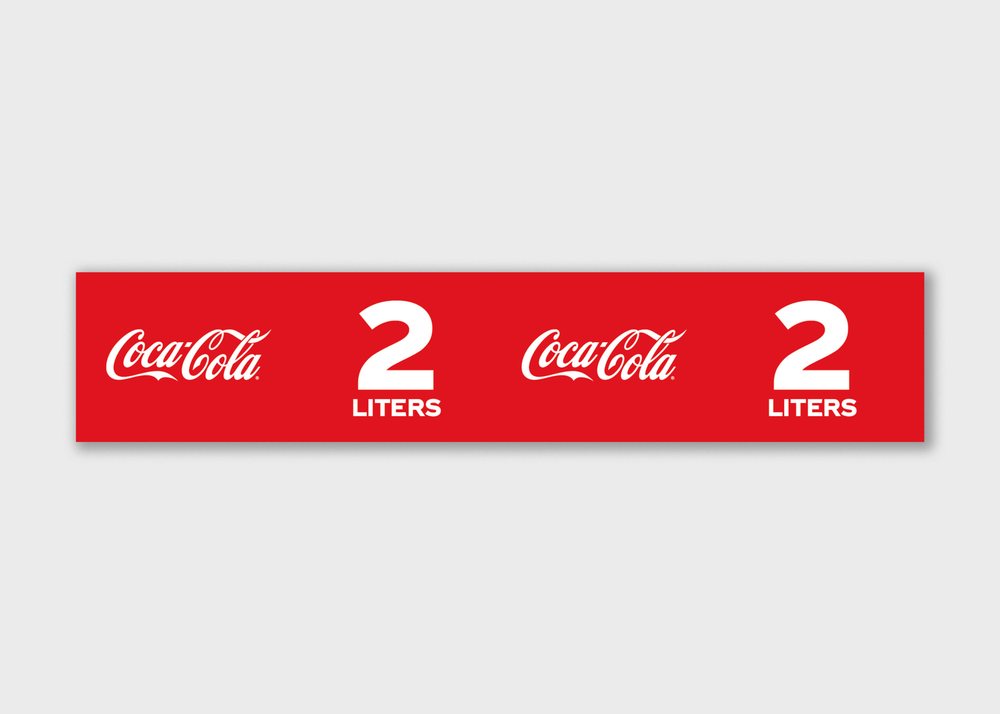
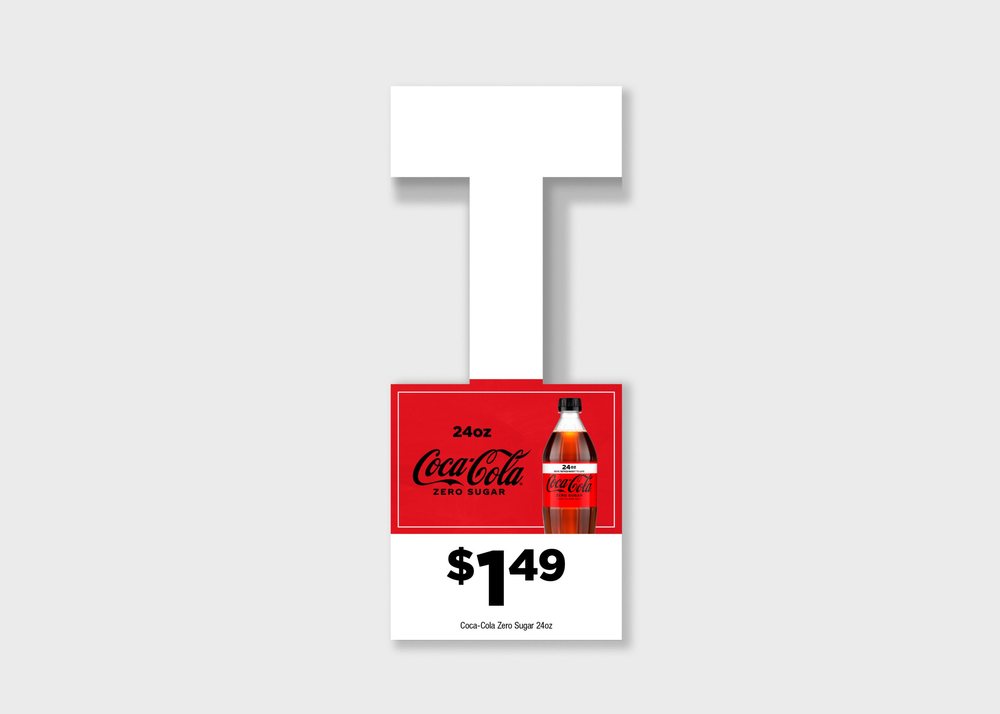
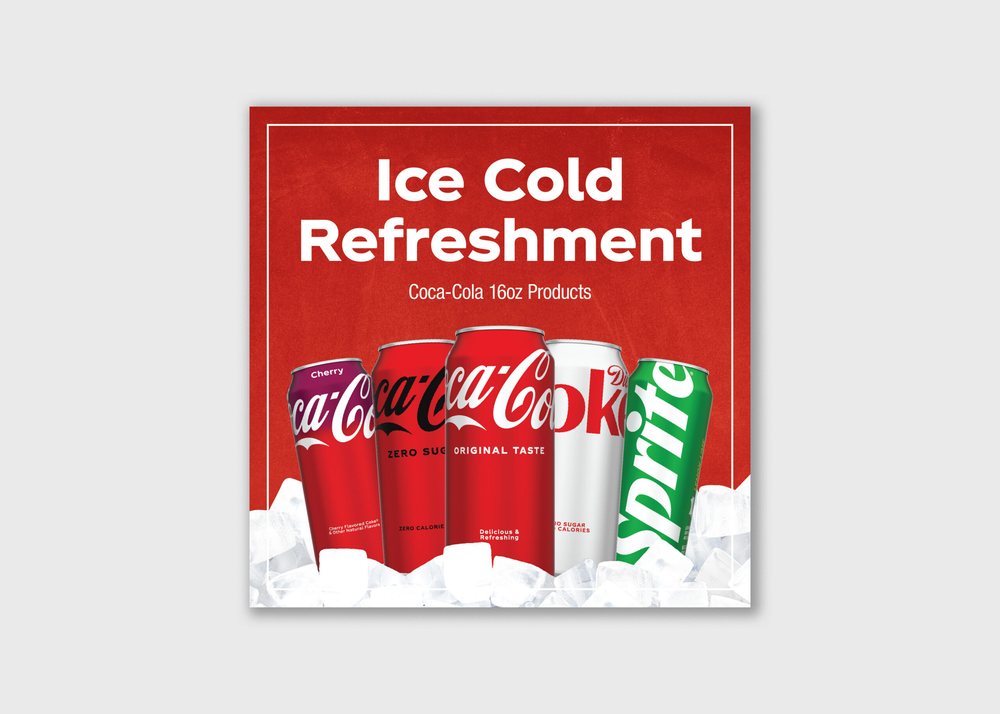
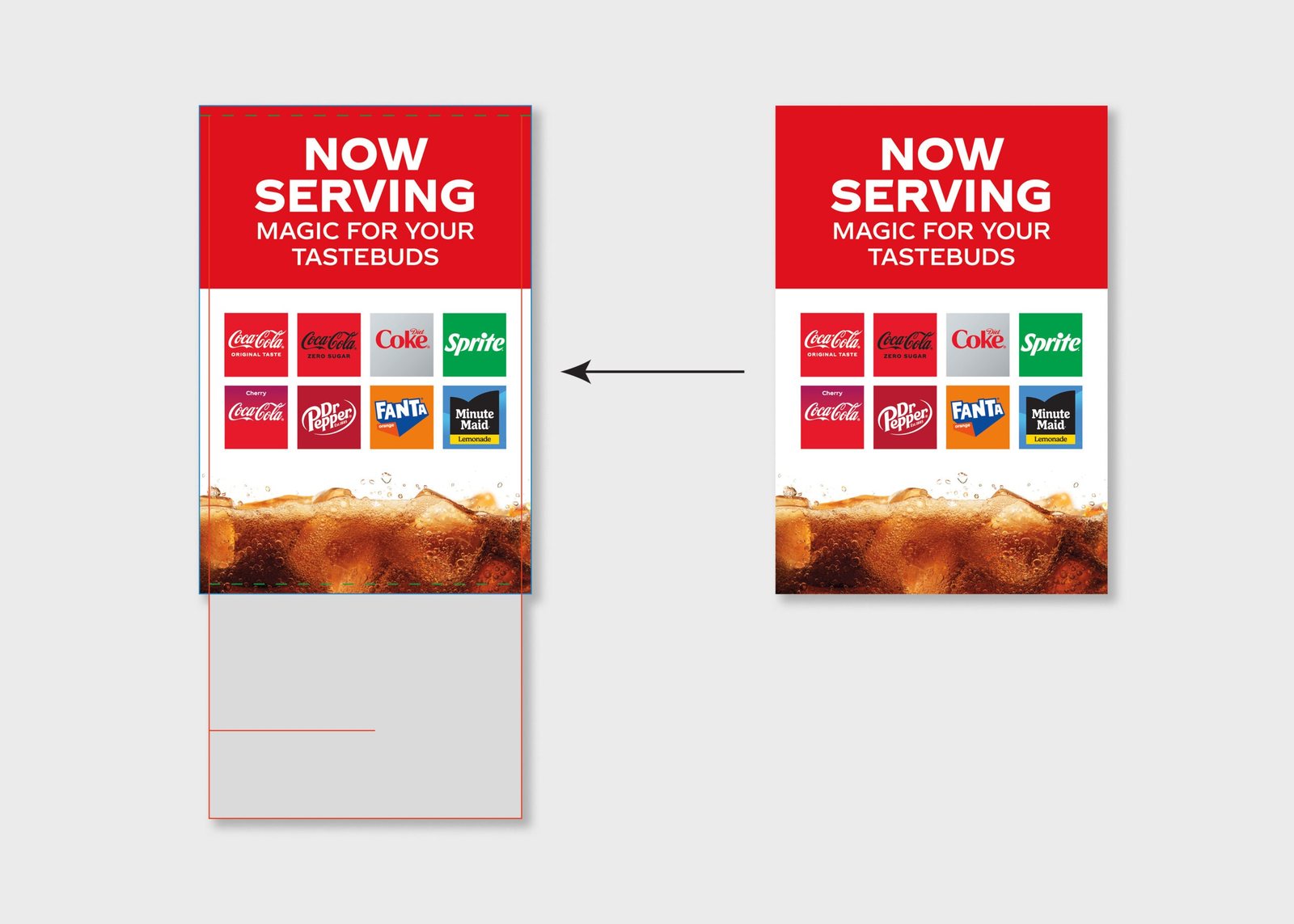
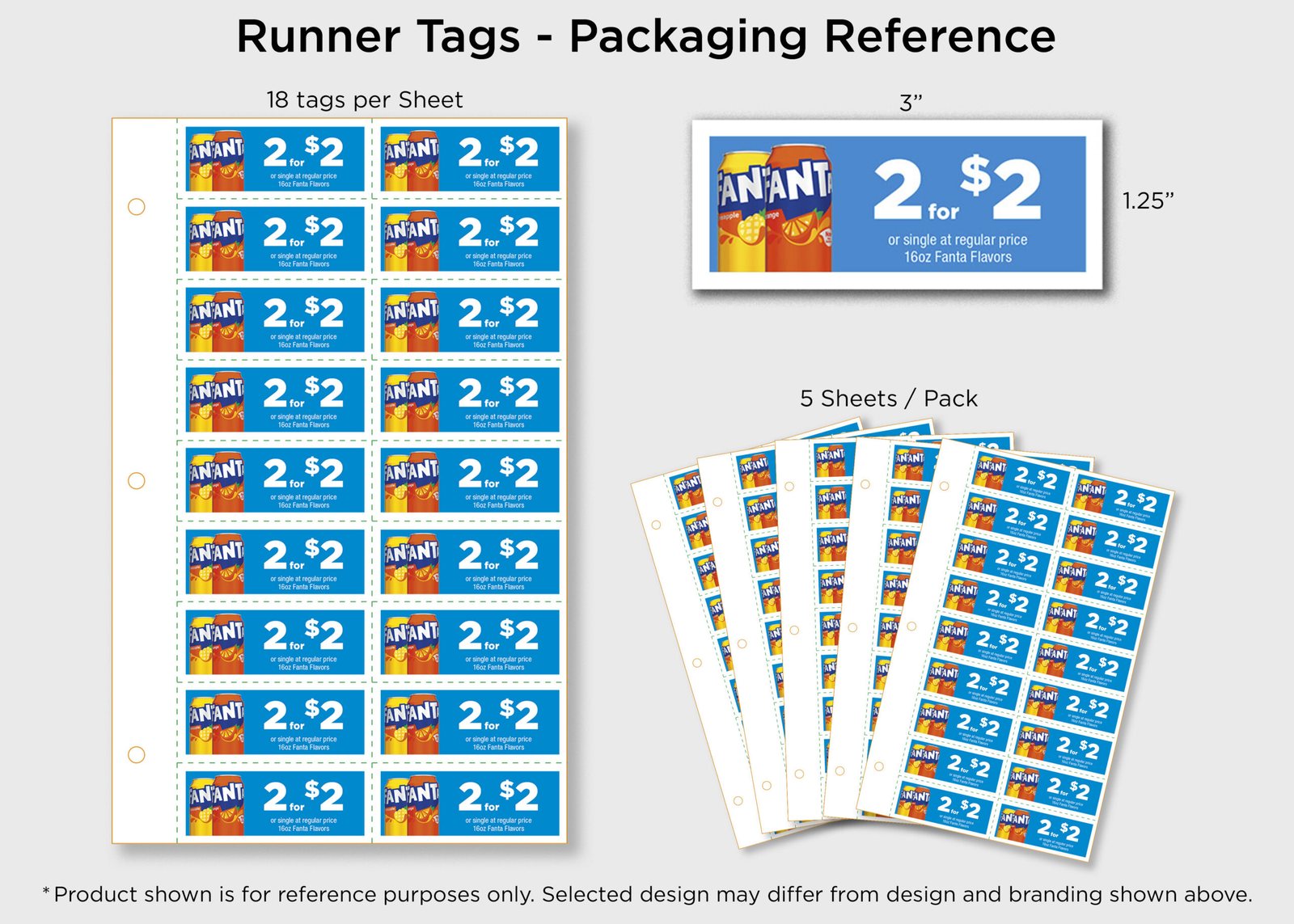
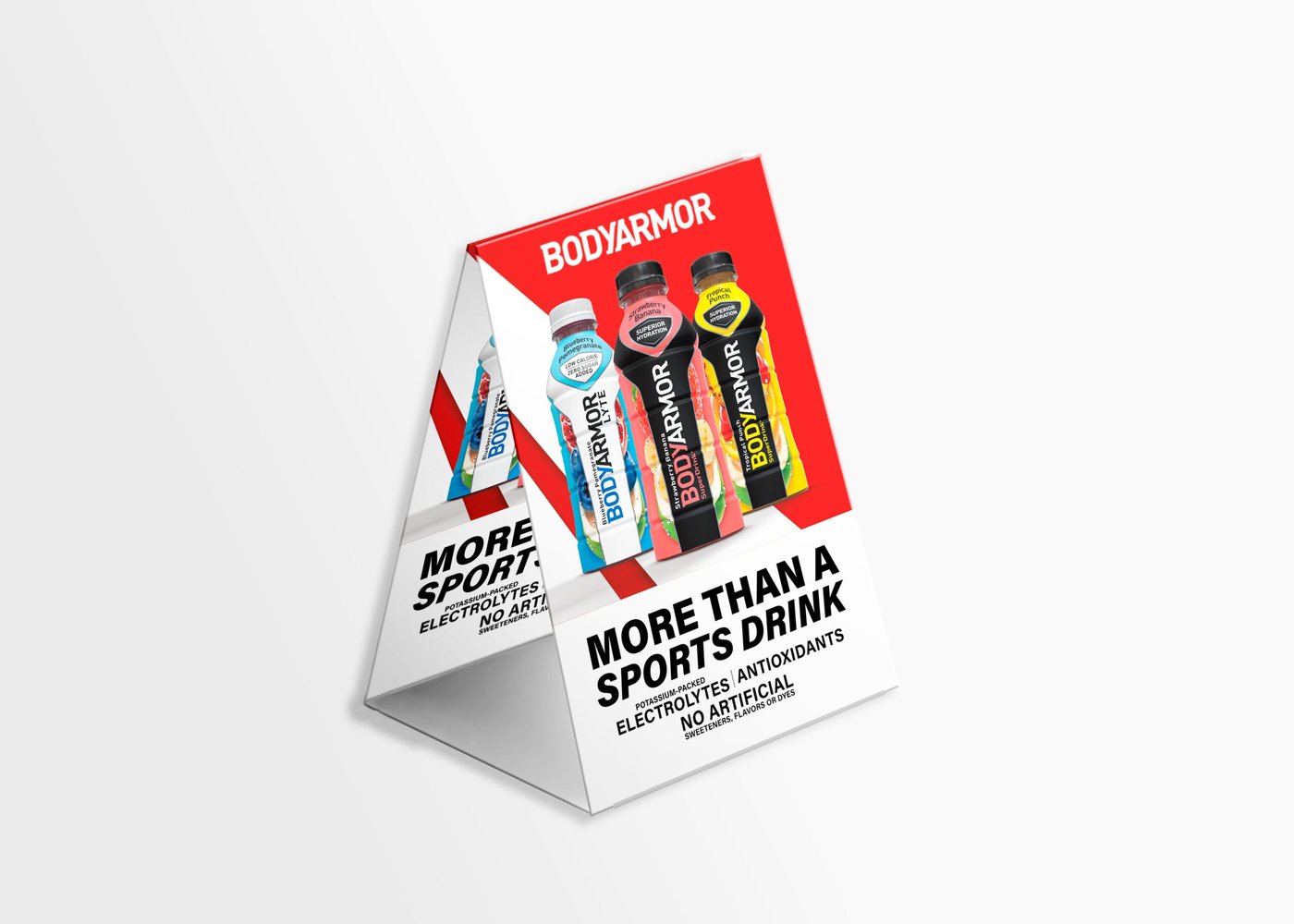
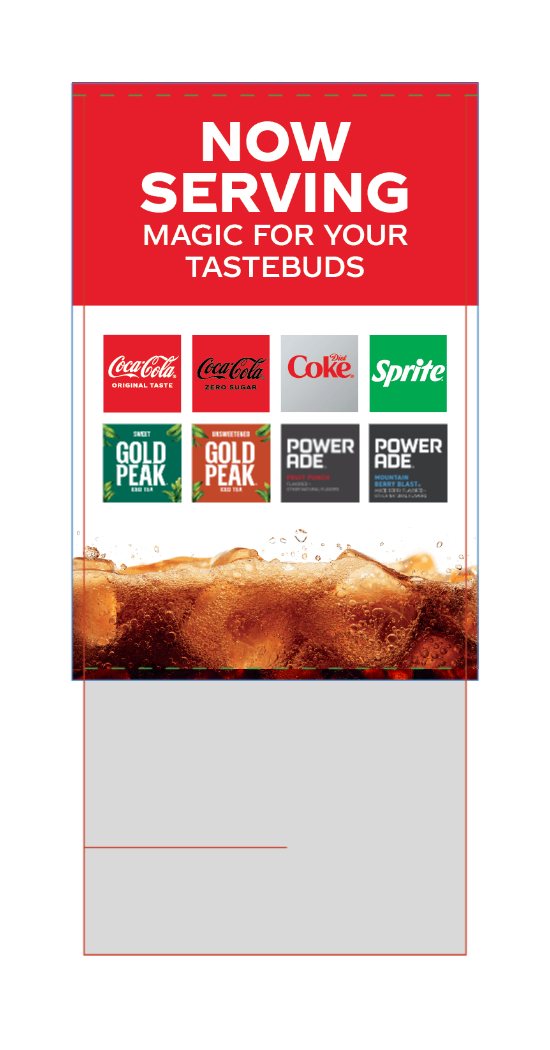
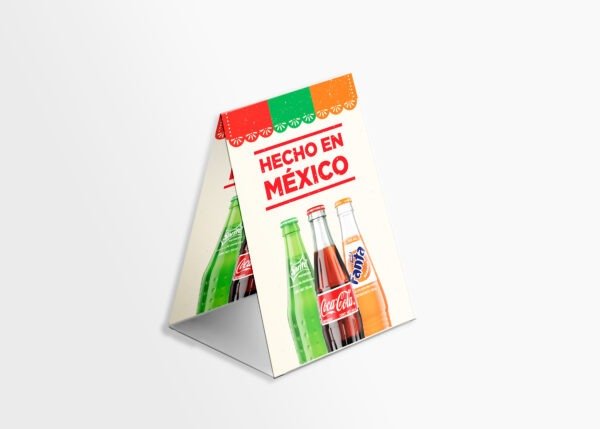
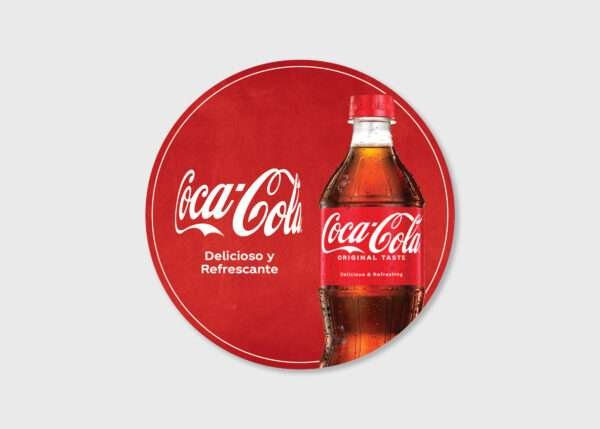
Three of the store's point-of-sale products, shown as the mockups buyers saw before ordering.
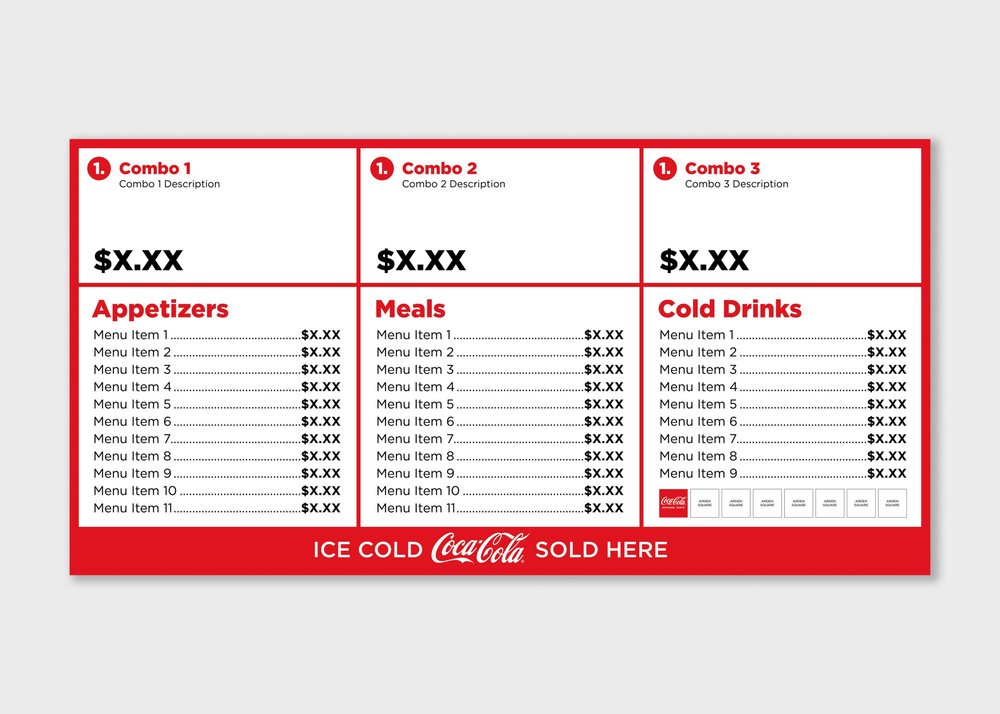
A web-to-print store is only as good as the print it produces. Every product in the Coca-Cola Consolidated store was a real piece of point-of-sale signage that had to print correctly, fit its holder or window, and stay on-brand no matter who customized it.
Distribution-center buyers logged in, picked a product, filled in prices, offers or a location name, and ordered. Behind each of those products was a template I built to its production dieline and print spec, plus a mockup matched to the finished piece so buyers knew exactly what would arrive. This page is the print side of the work; the platform, UX and SAP Ariba integration are covered in the Coca-Cola Consolidated store case study.
The catalog covered the formats a bottler's customers actually use in store: menu boards, window clings and perforated window film, cooler clings, price discs and stickers, shelf strips and shelf talkers, table tents and inserts, coasters, fountain-cup signage, posters, large-format signs and banners. Each had its own size, substrate, dieline and finishing.


Each product carried its own dieline and print spec. I built every template's artwork to its dieline, with bleed, trim and safe zones set before anything was editable, then matched the storefront mockup to the printed piece. Spot colors and spec requirements were held by product type, so the brand reds stayed consistent from a 4-inch coaster to a 6-foot banner.


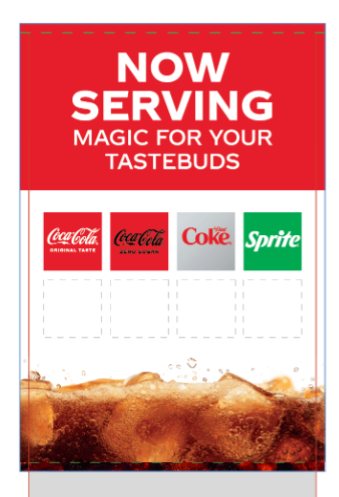
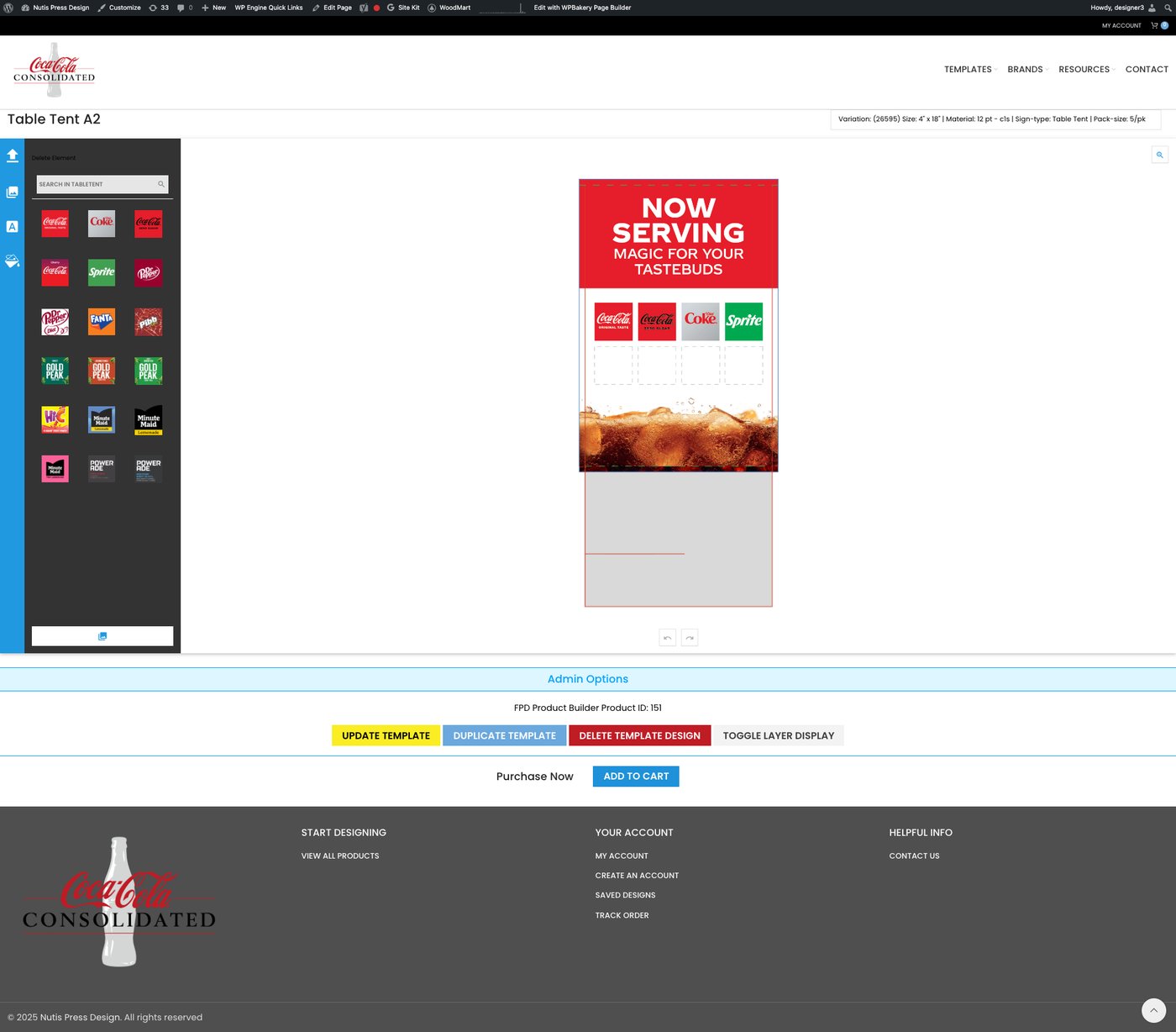
The templates opened in the store's customizer with only the fields that genuinely change unlocked: prices, offers, combo descriptions, location names. Coca-Cola artwork, fonts and colors stayed locked. A buyer in any of the store's 72 distribution-center markets could localize a sign quickly and still send a press-ready, on-brand file.


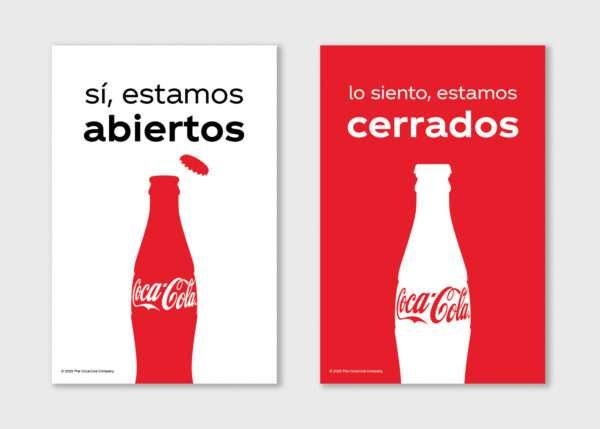
For distribution centers serving Spanish-speaking customers, I built Spanish versions of the signage and a Spanish-language category in the store, working from approved translations. Same templates, same locked brand system, in-language copy, with no one-off translation requests.


The store this range lived in processed $208,445 in GMV across 560 purchase orders, shipping to 271 locations in 72 distribution-center markets. Those orders ran on templates like the ones on this page.
Why this matters for hire: a template system is design work that keeps paying off. Getting the dieline, color and locked zones right once meant hundreds of orders could print correctly without a designer rebuilding each file.
Dieline-accurate templates, locked brand zones, and mockups that match the press.
Start a project →